

Products Description
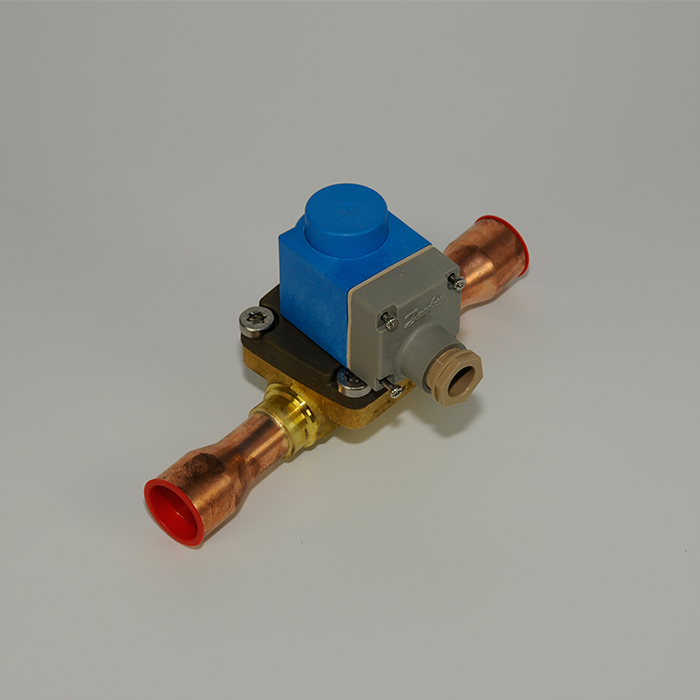
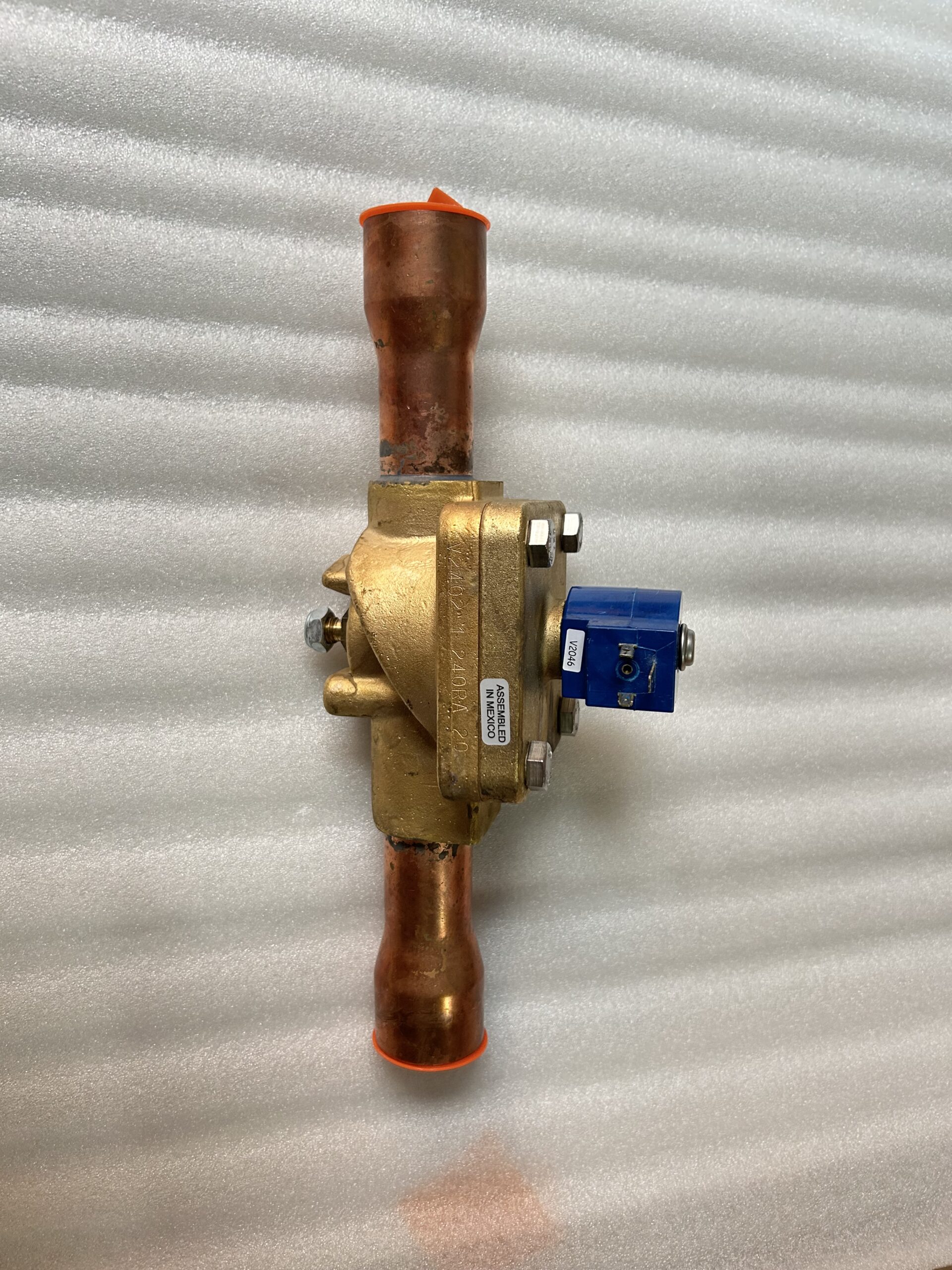
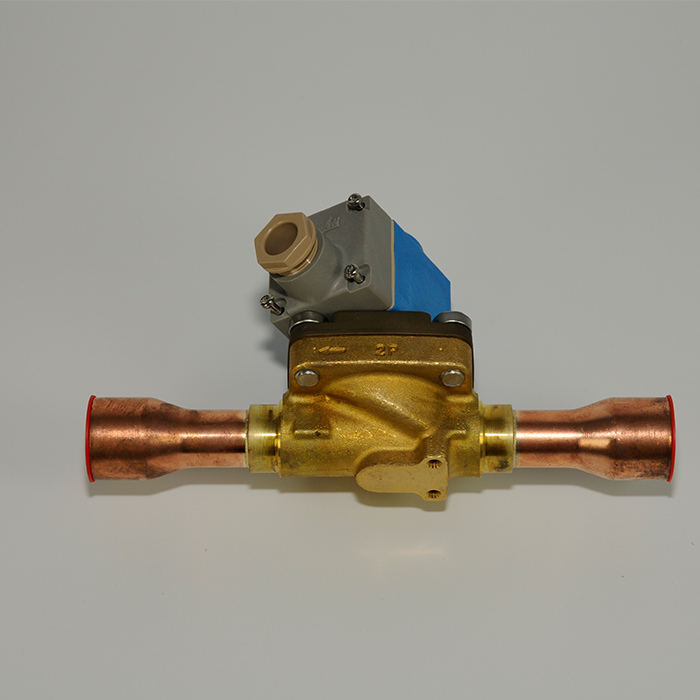
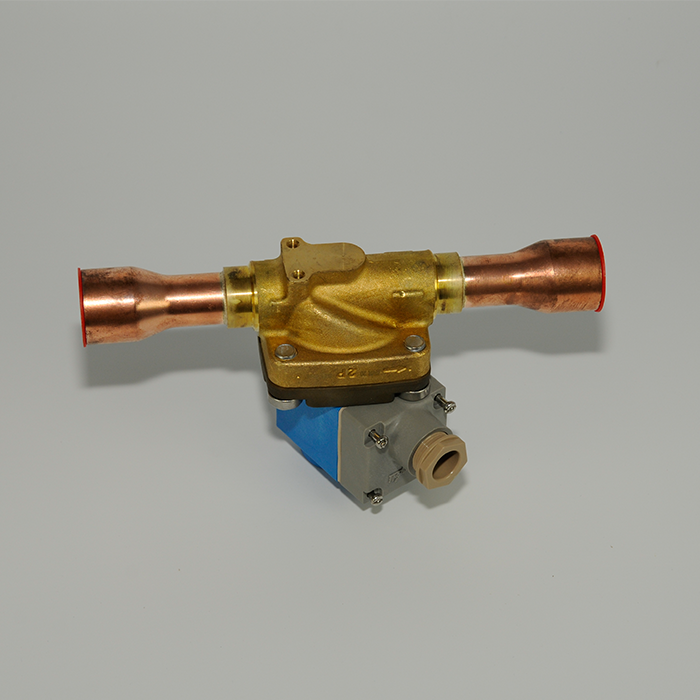
| Product Name | Yk 025-40330-000 Economizer Solenoid Valve |
| Model | 025-40330-000 |
| Applicable Industries | Construction and Commercial |
| Application | Refrigeration compressor |
| Packaging | Cardboard Box |
| MOQ | 1 Piece |
York 025-40330-000 Economizer Solenoid Valve: Core Functions
1. Economizer Circuit Activation/Deactivation Control (Core Function)
Receives signals from the unit’s main controller (e.g., YMC2): Energized → Valve fully opens, allowing refrigerant to enter the economizer circuit to facilitate gas injection/subcooling, thereby boosting cooling capacity and reducing compressor power consumption; De-energized → Valve fully closes, isolating the economizer circuit and reverting to the standard cooling mode.
2. Fresh Air Economizer Mode Switching
When the outdoor temperature is low (e.g., ≤18°C), the main controller triggers the solenoid valve to open, drawing in cool fresh air to replace mechanical cooling. This directly cools the equipment room or air-conditioned zone, resulting in 30%–50% energy savings and optimizing the Integrated Part Load Value (IPLV) for year-round energy efficiency.
3. Load Regulation and Stable Operation
Under partial-load conditions, the solenoid valve operates via pulse-width modulation (pulsed switching) to precisely regulate the refrigerant flow within the economizer circuit. This stabilizes discharge temperatures, reduces the pressure ratio, and minimizes compressor wear, ensuring the unit operates efficiently and stably across a wide range of load conditions.
4. Fault Protection and Safety Shut-off
In the event of abnormal high/low pressure, abnormal oil temperatures, or a unit shutdown, the solenoid valve immediately de-energizes and closes. This isolates the economizer circuit, preventing refrigerant backflow, liquid slugging in the compressor, and system overpressure, thereby safeguarding the unit’s critical components.
5. Long-Life, Reliable Control
Features a brass valve body combined with refrigerant-resistant seals, making it suitable for operation in environments characterized by high temperatures, high pressures, oil contamination, and vibration. The pilot-operated design ensures low power consumption, minimal noise, and smooth actuation; it performs frequent switching cycles over extended periods without sticking or leaking, boasting a service life exceeding 100,000 cycles.
Tags: air conditioning solenoid valve chiller maintenance parts chiller replacement valve chiller solenoid valve commercial hvac valve cooling system control valve electromagnetic valve HVAC mechanical component hvac solenoid valve HVAC Spare Parts industrial chiller valve industrial refrigeration valve refrigerant solenoid valve refrigeration equipment valve refrigeration solenoid valve refrigeration system accessory solenoid valve York 025-40330-000 York chiller parts York HVAC accessories
Technical parameter

Company Profile
Technical parameter
| Q1:For refrigeration industry, which brands are your products covering? | A1:We produce filter element replacements for brands like,Bitzer, Carrier, York, McQuay, Trane, etc… |
| Q2:Does the price include freight? | A2:The quotation is usually the factory price. We can recommend the most economical logistics plan and calculate the freight according to your destination and quantity. |
| Q3:How to ensure product quality? | A3:We have a strict quality control process, and we will carry out multiple inspections before the products leave the factory to ensure that they meet the standards. |
| Q4:Why choose us? | A4:Product reliability: We are a professional manufacturer . can offer high-quality products at the most competitive prices. Technical support: We provide technical assistance. Industry experience: We have over 10 years of experience in the refrigeration equipment service field. After-sales service: We offer professional after-sales service. Team collaboration: We have a professional team that can provide you with prompt services and delivery schedules. |
Common Product Faults and Replacement Indicators
1. Energy-saving mode ineffective; insufficient cooling capacity: Solenoid valve fails to open, coil is burnt out, or valve core is stuck.
2. Unit reports high pressure / high discharge temperature: Internal leakage within the solenoid valve (fails to close tightly), allowing refrigerant to continuously enter the economizer circuit.
3. Oil or refrigerant leakage from valve body / fittings: Seal aging, damaged threads, or cracked valve body.
4. Coil overheating, abnormal noise, or blown fuse: Coil short circuit, overload, or voltage mismatch.
5. Erratic operation (intermittent opening/closing): Valve core fouling, blockage by oil contaminants, or spring fatigue.