Products Description
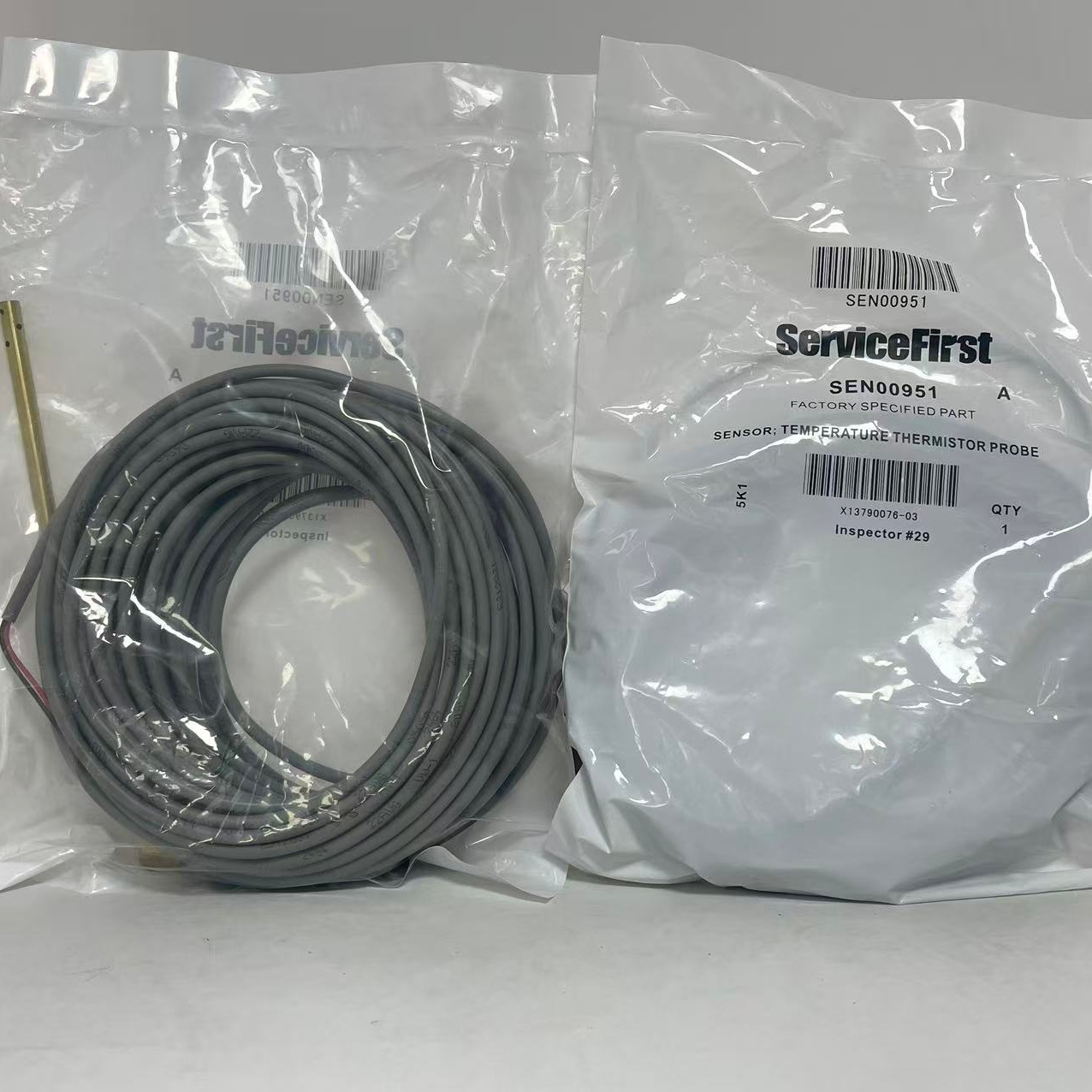
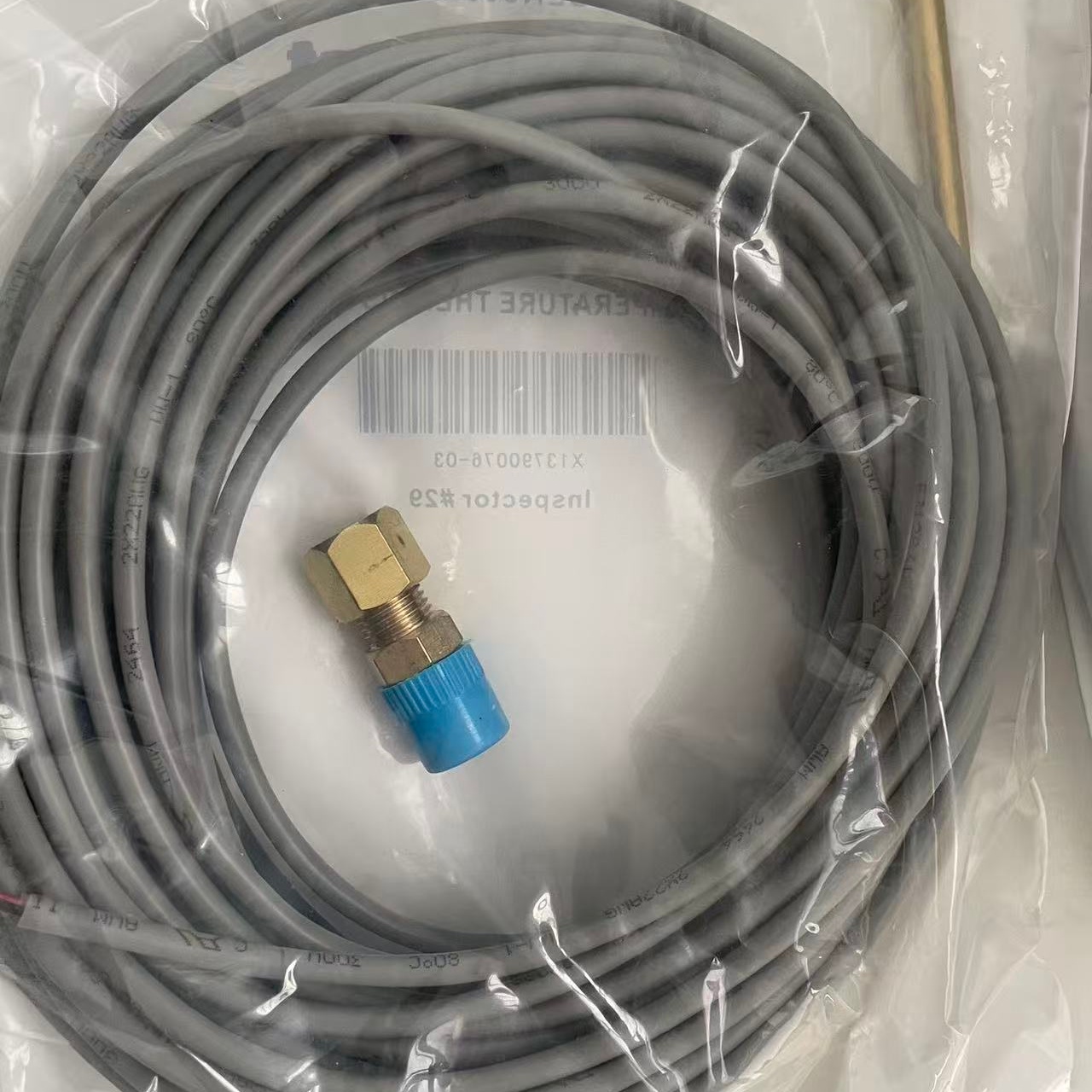
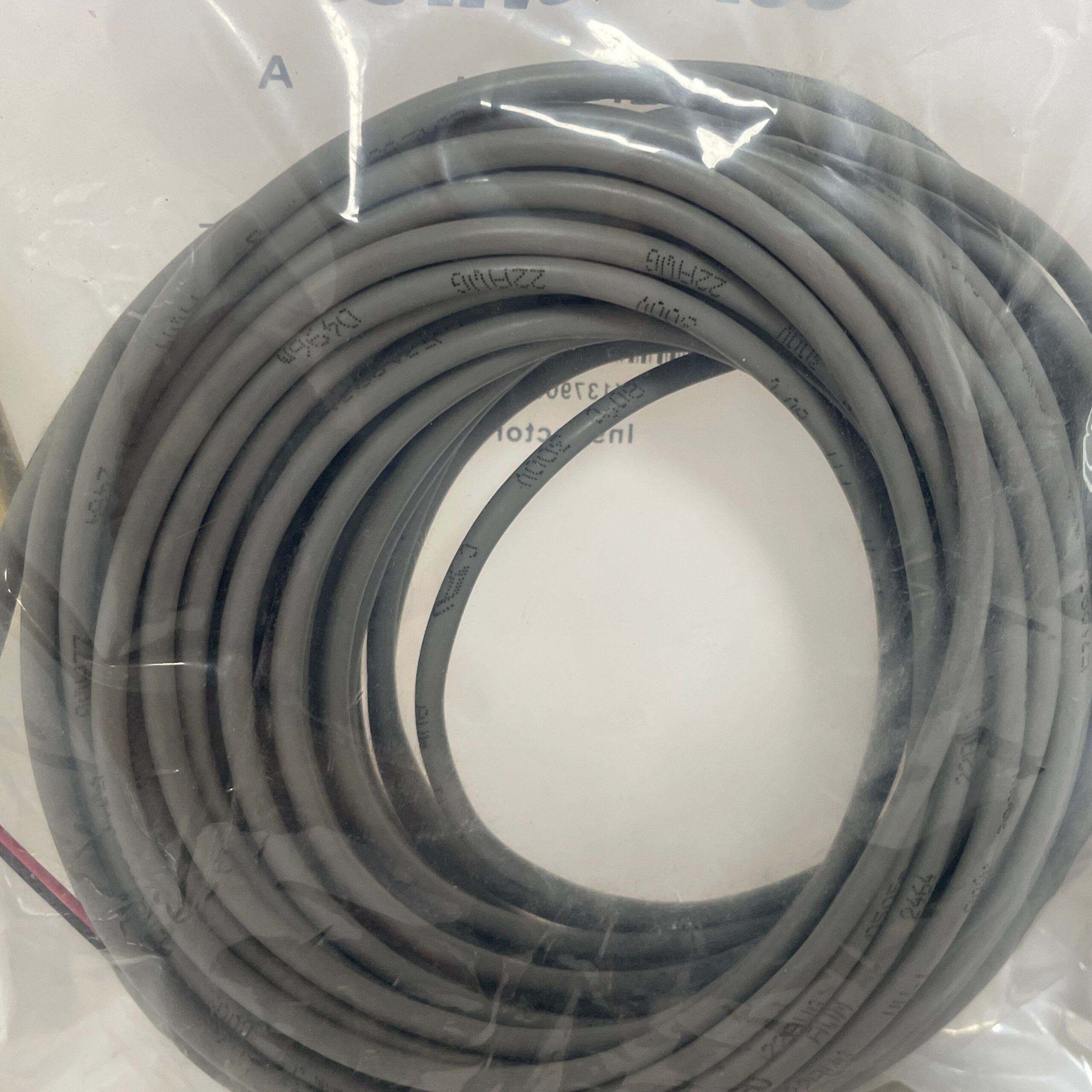
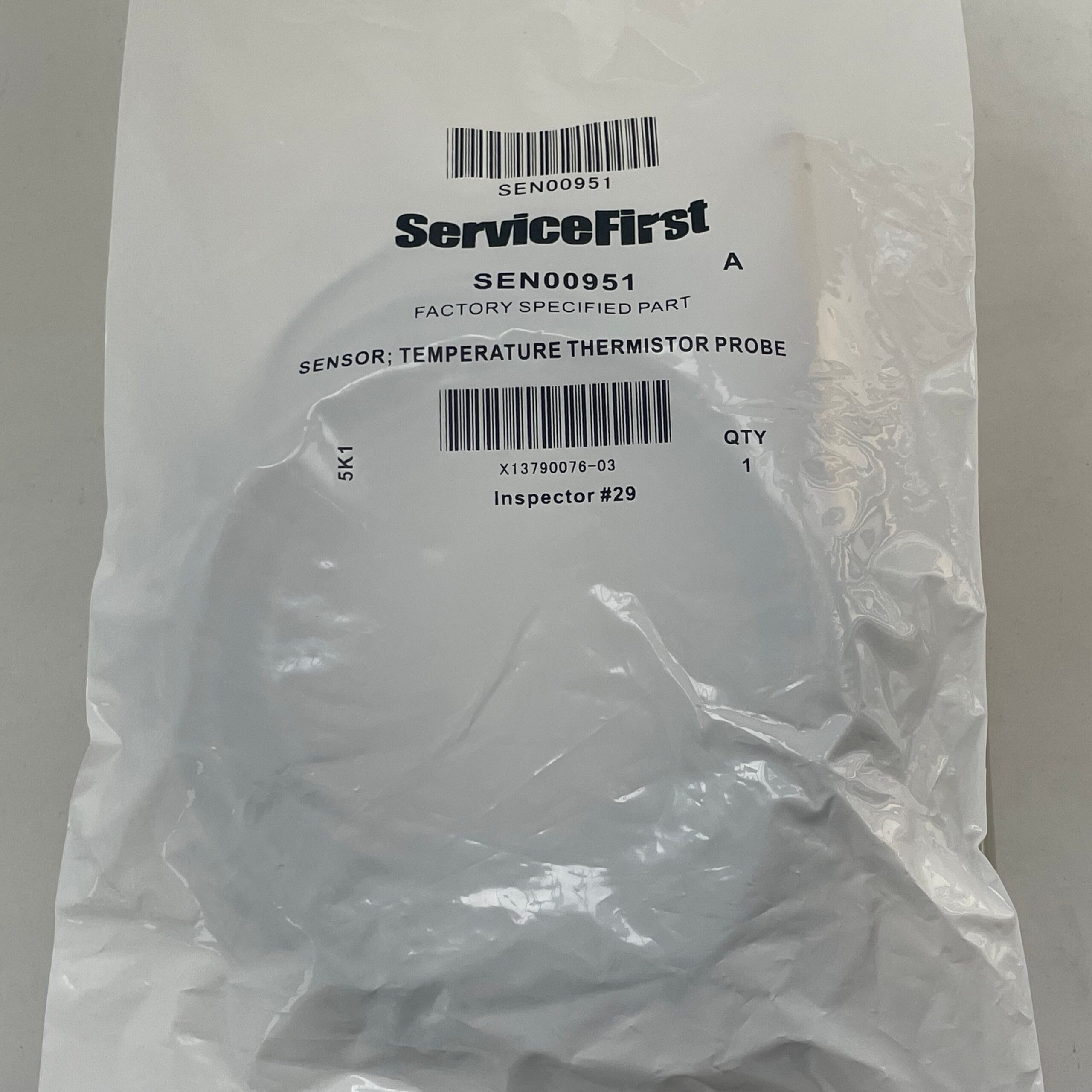
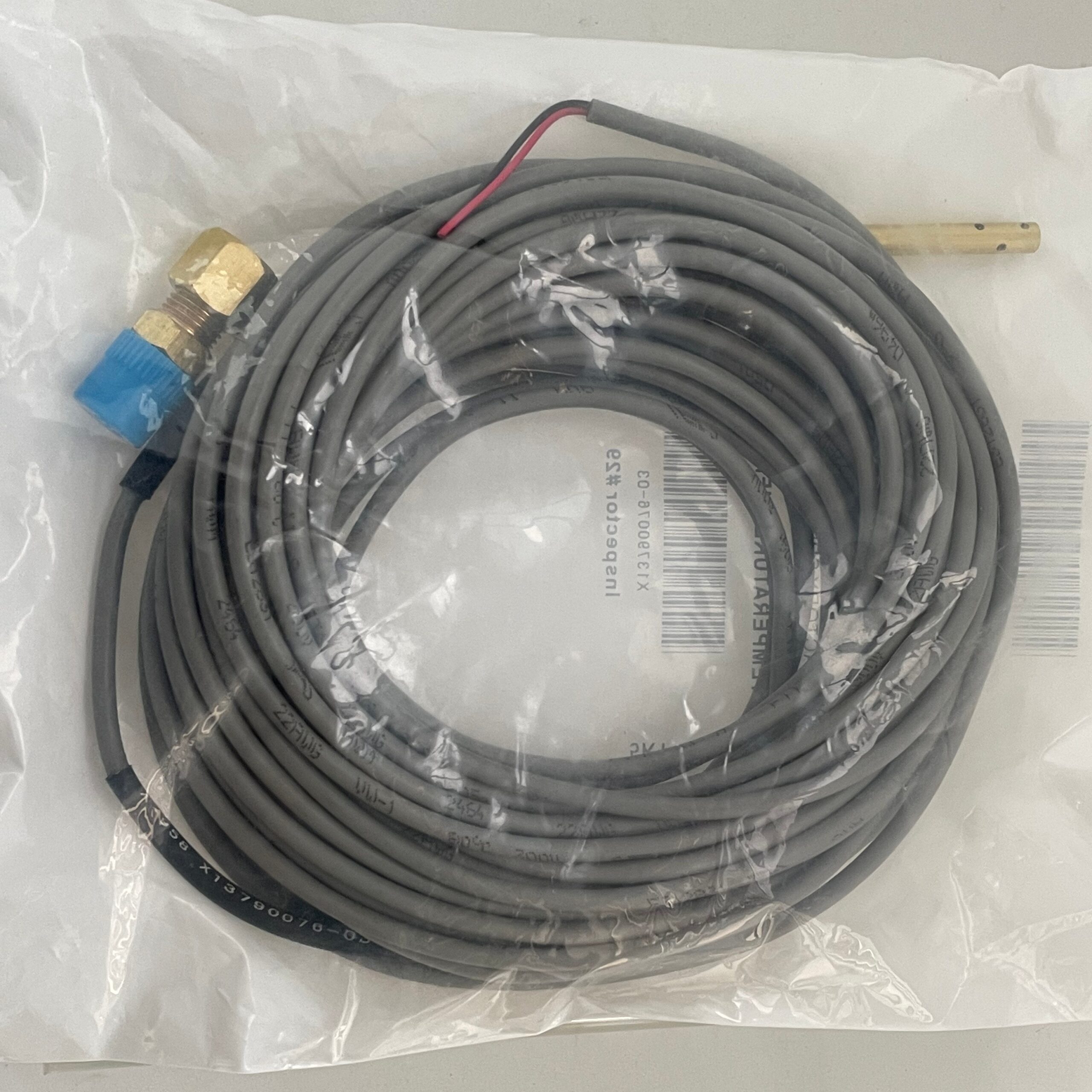
| Product Name | Trane SEN00951 Suction Temperature Sensor |
| Model | SEN00951 |
| Applicable Industries | Construction and Commercial |
| Application | Refrigeration compressor |
| Packaging | Cardboard Box |
| MOQ | 1 Piece |
Common product malfunctions:
1. Unit reports suction temperature sensor fault; compressor fails to start or load
NTC element or cable breakage prevents resistance signals from reaching the main controller, triggering a compressor interlock shutdown.
2. Suction temperature readings fluctuate continuously, causing frequent nuisance shutdowns due to anti-freeze protection
Damaged cable shielding or poor contact causes signal instability due to electromagnetic interference; the main controller misinterprets the signal as a low-temperature condition and triggers anti-freeze protection.
3. Continuous evaporator icing and significant loss of cooling capacity
Sensor drift causes the main controller to read an erroneously high suction temperature; the expansion valve opens wider, allowing excessive refrigerant into the evaporator and causing icing.
4. Inability to provide early warning of refrigerant leaks; increased risk of compressor overheating
Temperature sensing failure prevents detection of abnormal suction temperature rise; resulting high temperatures cause refrigeration oil carbonization and accelerate wear on the impeller and bearings.
5. Cable short-circuit due to prolonged exposure to high heat; main controller I/O input channel burned out
Cable insulation melts where it touches the high-temperature discharge section, causing a short circuit between signal wires and damaging the motherboard’s temperature sensing port.
Tags: chiller pressure sensor commercial air conditioning sensor compressor control accessory cooling system detection component HVAC maintenance spare part HVAC transducer industrial chiller replacement sensor refrigerant pipeline sensor refrigeration pressure probe SEN00951 Trane sensor Trane Spare Parts
Technical parameter
Company Profile
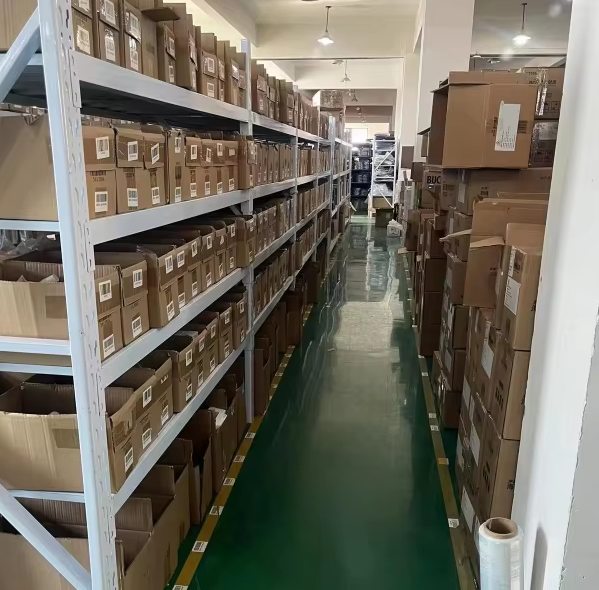
Factory Profile
| Q1:For refrigeration industry, which brands are your products covering? | A1:We produce filter element replacements for brands like,Bitzer, Carrier, Yk, McQuay, Trane, etc… |
| Q2:Does the price include freight? | A2:The quotation is usually the factory price. We can recommend the most economical logistics plan and calculate the freight according to your destination and quantity. |
| Q3:How to ensure product quality? | A3:We have a strict quality control process, and we will carry out multiple inspections before the products leave the factory to ensure that they meet the standards. |
| Q4:Why choose us? | A4:Product reliability: We are a professional manufacturer . can offer high-quality products at the most competitive prices. Technical support: We provide technical assistance. Industry experience: We have over 10 years of experience in the refrigeration equipment service field. After-sales service: We offer professional after-sales service. Team collaboration: We have a professional team that can provide you with prompt services and delivery schedules. |
Criteria for sensor replacement:
1. Touchscreen shows no suction temperature reading or displays extreme high/low temperature limits; unit reports a suction temperature sensor fault;
2. Significant temperature reading drift (deviation >3°C from actual measured temperature), erratic superheat readings, or frequent anti-freeze protection trips;
3. Deformation of the brass sleeve, cable jacket cracking allowing water ingress, or internal core short-circuit/open-circuit;
4. Unit overhaul or refrigerant contamination due to water ingress (both probes must be replaced as a set).