

Products Description
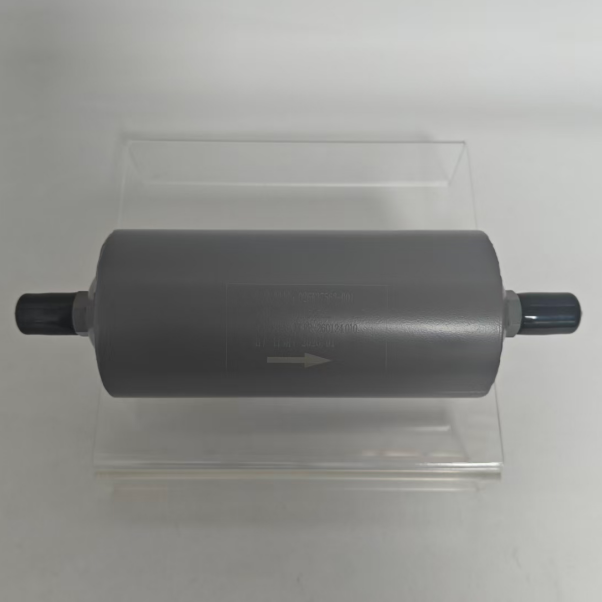
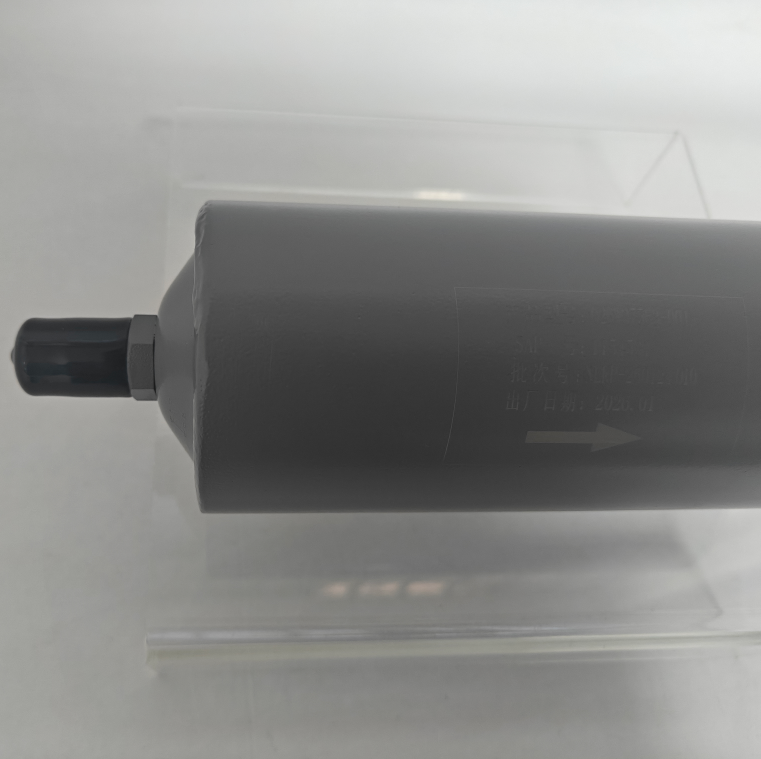
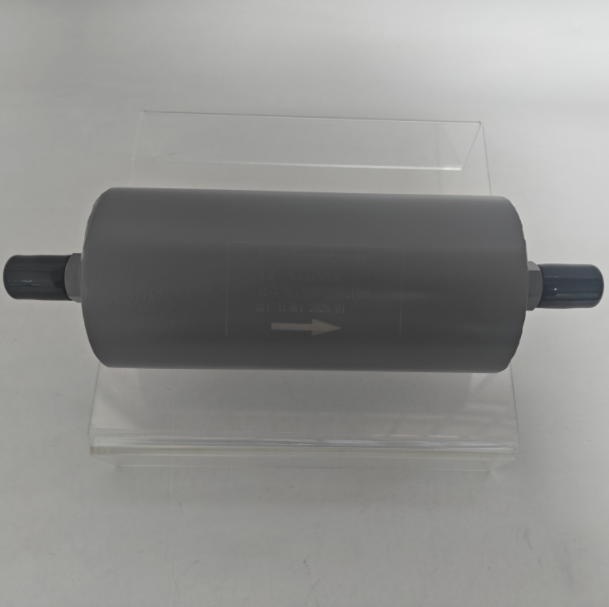
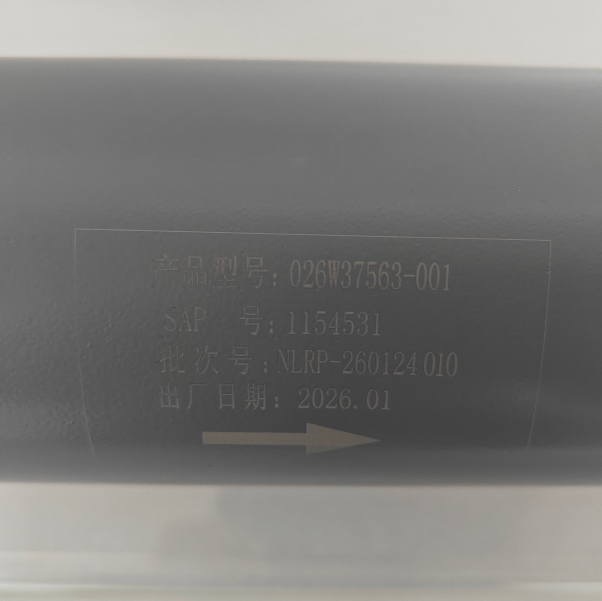
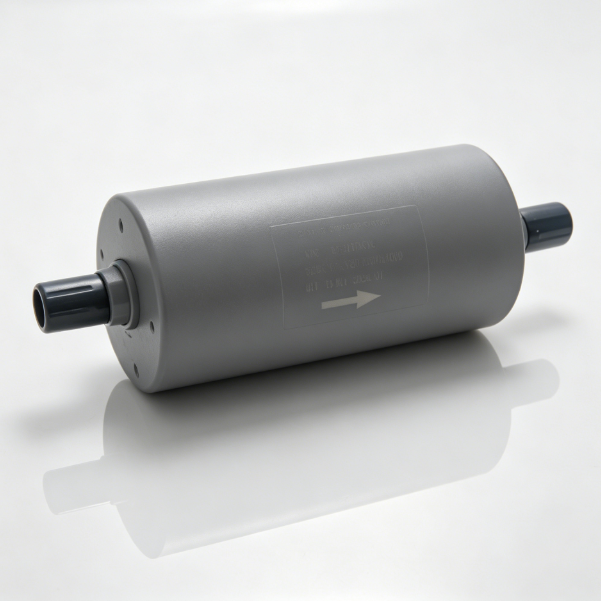
| Product Name | Yk 026W37563-001 Liquid Line Filter Drier |
| Model | 026W37563-001 |
| Applicable Industries | Construction and Commercial |
| Application | Refrigeration compressor |
| Packaging | Cardboard Box |
| MOQ | 1 Piece |
Product Internal Structure and Material Composition
1. Seamless Epoxy-Coated Steel Shell (Main Body)
A seamless steel tube formed via integral roll-forming; rated for 34 bar pressure to meet the high-pressure liquid line requirements of large and medium-sized centrifugal or screw chiller units, with ends roll-sealed.
2. Outer Galvanized Protective Steel Mesh
Acts as a primary coarse filter to block large welding slag and rust particles from directly impacting the fiberglass filter media and molecular sieve, thereby extending the filter-drier’s service life.
3. Multi-layer Pleated Fiberglass Filter Layer (Impurity Removal Core)
An ultra-fine pleated fiberglass layer that removes all micron-sized hard impurities from the system, protecting the tiny orifices of electronic expansion valves from clogging.
4. Highly Active 3A Molecular Sieve Filling Layer (Drying Core)
Adsorbs free moisture within the system, eliminating the root causes of two major malfunctions: ice blockage and refrigerant acidification/corrosion.
5. Inner Galvanized Support Cylinder
A central structural support framework that withstands refrigerant negative pressure, prevents the molecular sieve and filter media from collapsing inward and blocking the flow path, and ensures stable refrigerant flow.
Tags: 026W37563-001 Chiller Oil Filter commercial air conditioning filter Compressor Filter compressor maintenance spare part Cooling System Components HVAC spare filter Industrial chiller accessories Refrigerant maintenance filter refrigeration system filter York filter York replacement parts
Technical parameter
Company Profile
Factory Profile
| Q1:For refrigeration industry, which brands are your products covering? | A1:We produce filter element replacements for brands like,Bitzer, Carrier, Yk, McQuay, Trane, etc… |
| Q2:Does the price include freight? | A2:The quotation is usually the factory price. We can recommend the most economical logistics plan and calculate the freight according to your destination and quantity. |
| Q3:How to ensure product quality? | A3:We have a strict quality control process, and we will carry out multiple inspections before the products leave the factory to ensure that they meet the standards. |
| Q4:Why choose us? | A4:Product reliability: We are a professional manufacturer . can offer high-quality products at the most competitive prices. Technical support: We provide technical assistance. Industry experience: We have over 10 years of experience in the refrigeration equipment service field. After-sales service: We offer professional after-sales service. Team collaboration: We have a professional team that can provide you with prompt services and delivery schedules. |
Common product malfunctions:
1. Frequent ice blockage of the electronic expansion valve and significant reduction in cooling capacity
Molecular sieve saturation leads to failure in moisture adsorption; ice forms and blocks the metering orifice at low temperatures, interrupting refrigerant flow.
2. Expansion valve core jamming, erratic opening fluctuations, and loss of superheat control
Damage to the fiberglass filter mesh allows metal debris to enter the valve body, jamming the stepper valve core; this disrupts load regulation and causes random fluctuations in high and low pressures.
3. Excessively high condensing pressure at full load and frequent high-pressure unloading protection
Clogging of the molecular sieve and filter mesh reduces the refrigerant flow area and increases flow resistance, causing the condensing pressure to consistently exceed limits.
4. Compressor insulation degradation, internal corrosion, and risk of winding burnout
Prolonged moisture retention in the system causes hydrolysis between R134a and POE refrigeration oil, generating acidic substances that corrode the rotor and motor windings.
5. Persistent refrigerant leakage at shell-to-copper-tube weld joints and gradual system refrigerant loss
Failure to cool the weld area causes high-temperature damage to the sealing layer, resulting in minor refrigerant leakage at the joint and necessitating frequent recharging.