
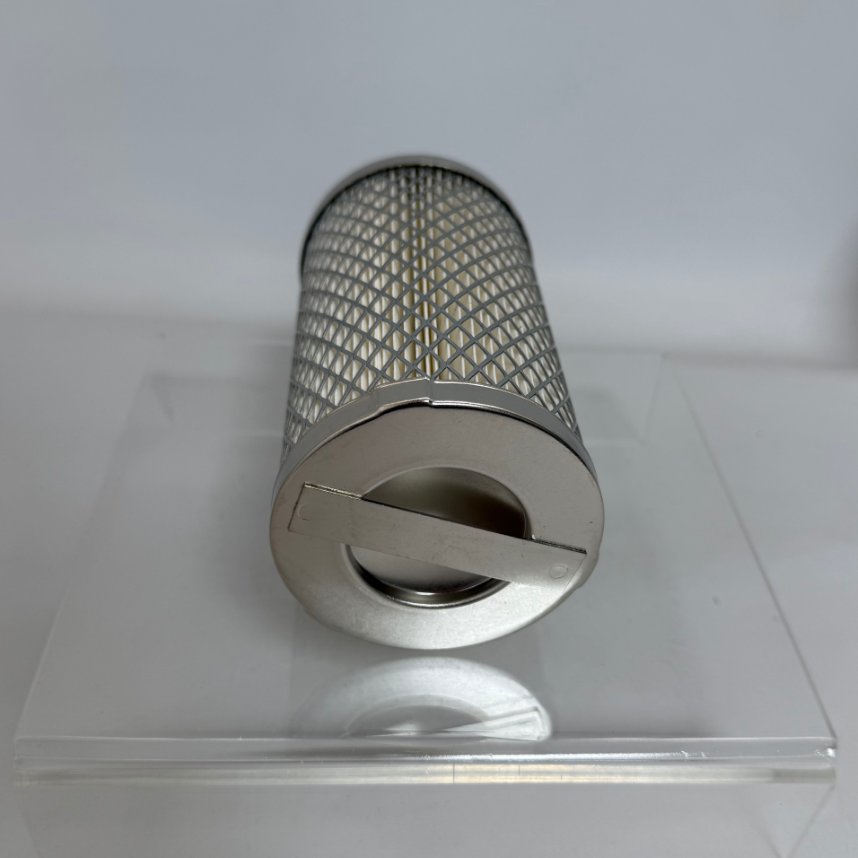
Products Description
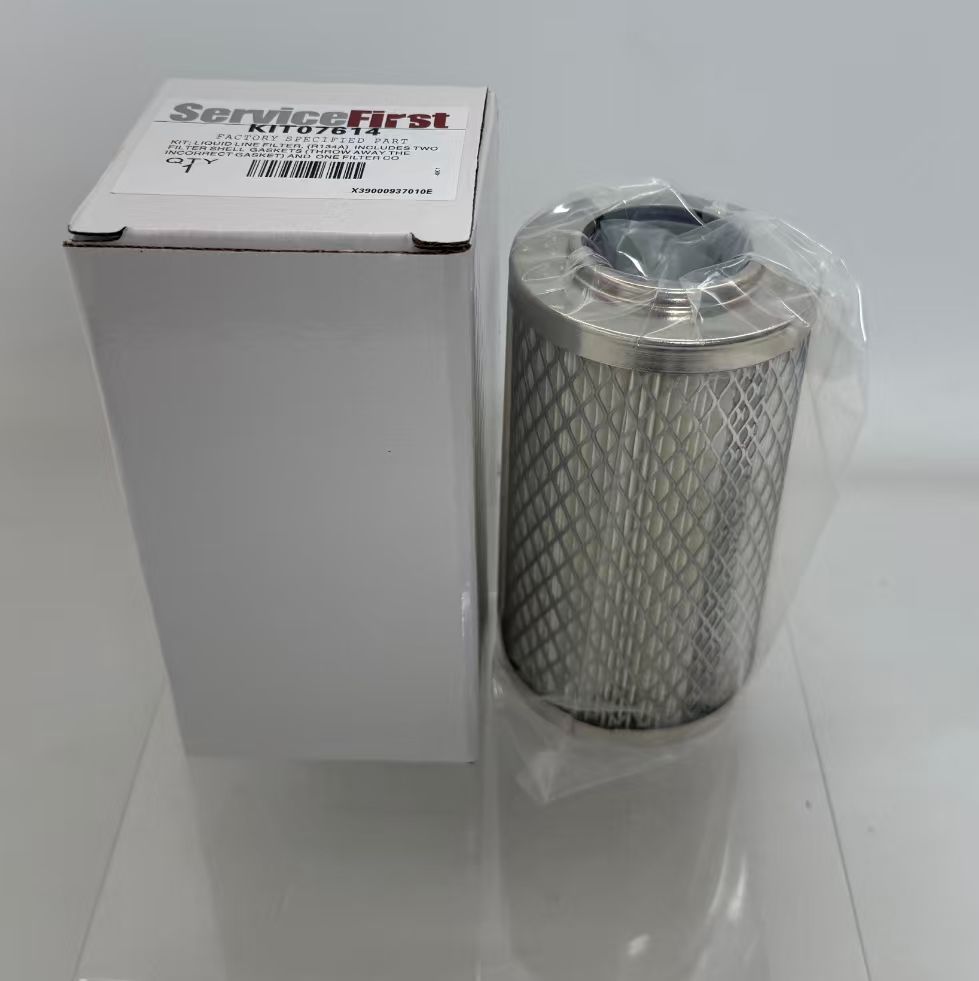
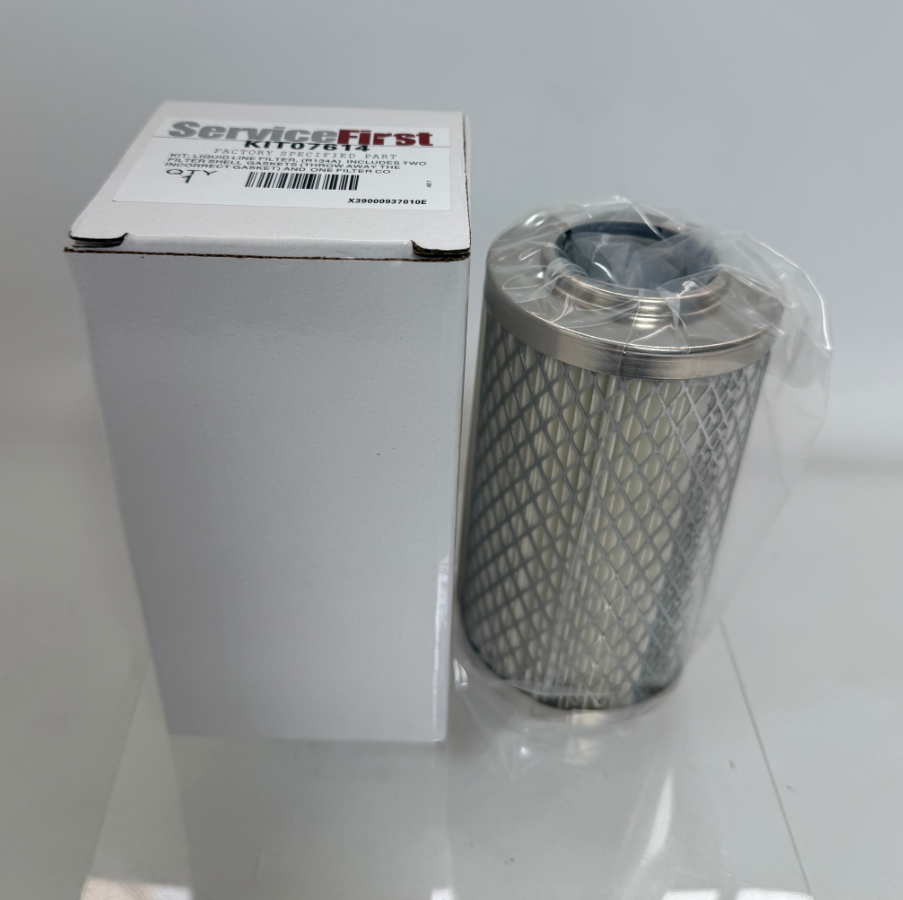
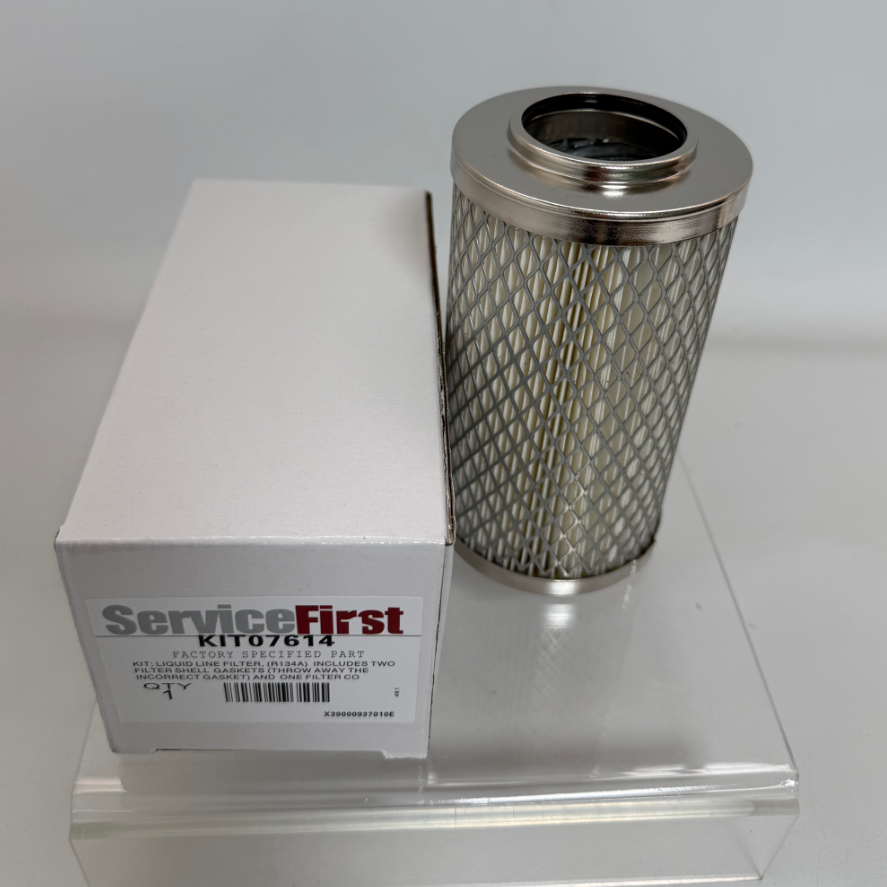
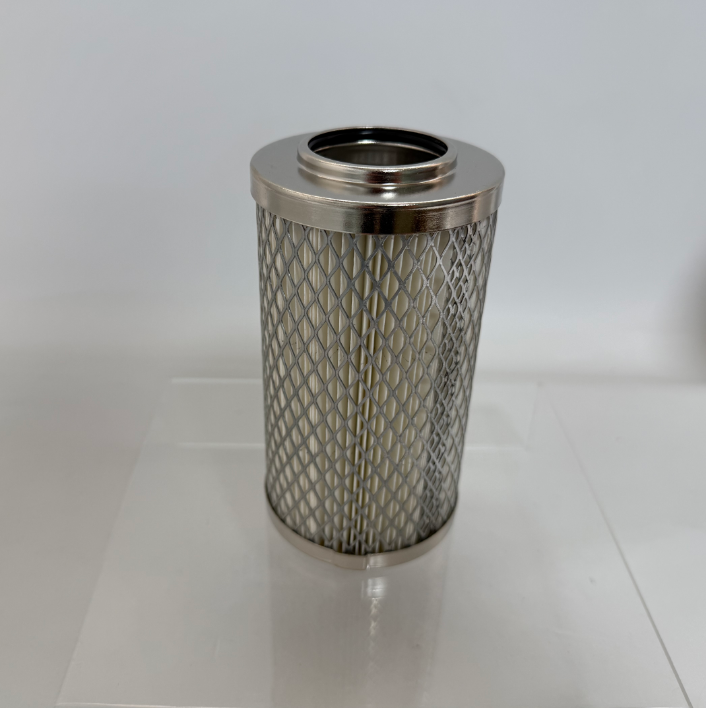
| Product Name | Trane KIT07614 Filter |
| Model | KIT07614 |
| Applicable Industries | Construction and Commercial |
| Application | Refrigeration compressor |
| Packaging | Cardboard Box |
| MOQ | 1 Piece |
Key Points for Product Installation and Maintenance
1. Shut down the unit and fully recover the refrigerant; drain any liquid refrigerant from the filter canister and relieve pressure before disassembling the housing.
2. Clean sludge and impurities from the inner walls of the filter canister, ensuring no metal debris remains inside.
3. Discard all old filter elements and gaskets; replace the entire assembly with a new KIT07614 filter element and the two accompanying gaskets.
4. Place the gasket flat against the housing face and center the filter element to prevent deformation caused by uneven compression.
5. Tighten the canister bolts evenly in a diagonal pattern to prevent housing deformation and leakage.
6. After assembly, evacuate the system and perform a pressure-hold leak test; the seal is considered satisfactory if no bubbles or oil traces appear.
7. For standard commercial units, replace the kit once a year; for older units or those operating with poor water quality, a semi-annual inspection is recommended.
During replacement, simultaneously inspect the high/low-pressure sensors, electronic expansion valve, oil filter, and other components of the refrigeration circuit.
Tags: central chiller spare filter chiller filter assembly commercial air conditioning filter compressor protection filter cooling system component HVAC spare filter industrial chiller maintenance parts KIT07614 refrigerant pipeline filter Refrigeration Filter Trane filter kit Trane replacement parts
Technical parameter
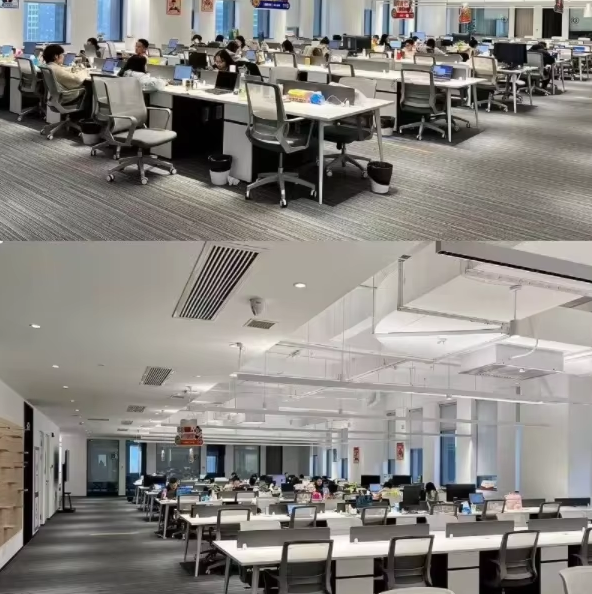
Company Profile
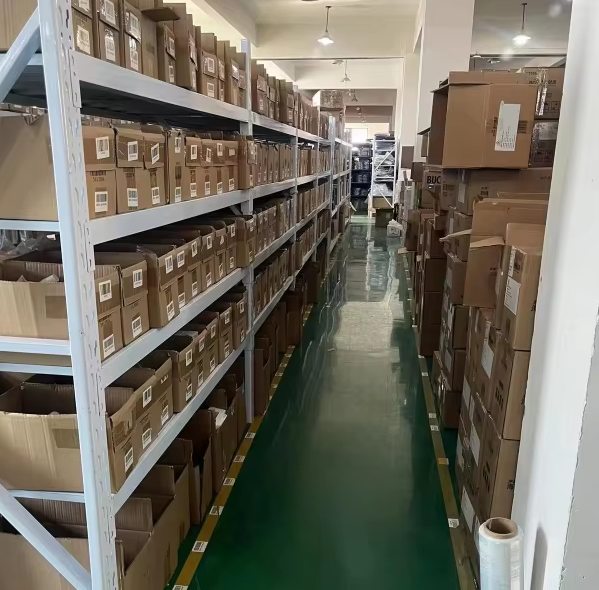
Factory Profile
| Q1:For refrigeration industry, which brands are your products covering? | A1:We produce filter element replacements for brands like,Bitzer, Carrier, Yk, McQuay, Trane, etc… |
| Q2:Does the price include freight? | A2:The quotation is usually the factory price. We can recommend the most economical logistics plan and calculate the freight according to your destination and quantity. |
| Q3:How to ensure product quality? | A3:We have a strict quality control process, and we will carry out multiple inspections before the products leave the factory to ensure that they meet the standards. |
| Q4:Why choose us? | A4:Product reliability: We are a professional manufacturer . can offer high-quality products at the most competitive prices. Technical support: We provide technical assistance. Industry experience: We have over 10 years of experience in the refrigeration equipment service field. After-sales service: We offer professional after-sales service. Team collaboration: We have a professional team that can provide you with prompt services and delivery schedules. |
Scenarios requiring mandatory filter element replacement:
1. Annual maintenance after 12 months of unit operation: the complete KIT07614 set must be replaced;
2. Immediate replacement of the filter-drier kit following water ingress, piping disassembly/reassembly during repairs, or compressor replacement;
3. Frequent low-pressure alarms, expansion valve icing, or continuous decline in cooling capacity;
4. Repeated refrigerant loss, or aging of the filter housing gasket resulting in oil leakage and frost formation;
5. Presence of metallic wear debris in the system, or refrigeration oil turning black and acidic;
Increased filter pressure differential, rising unit load, and a significant increase in power consumption.