

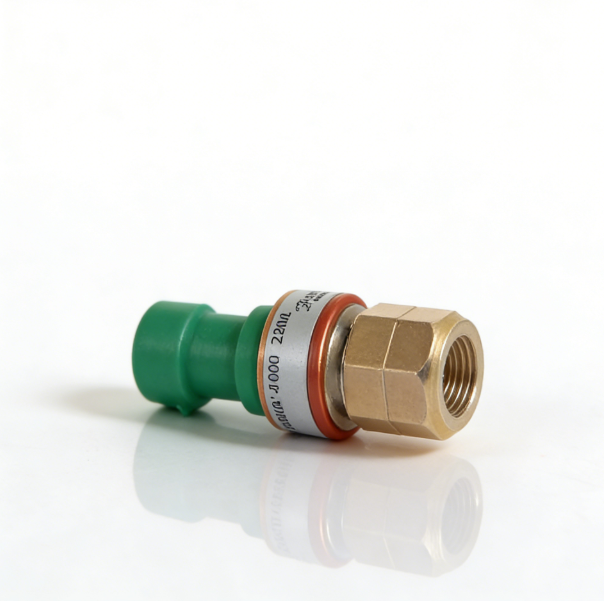
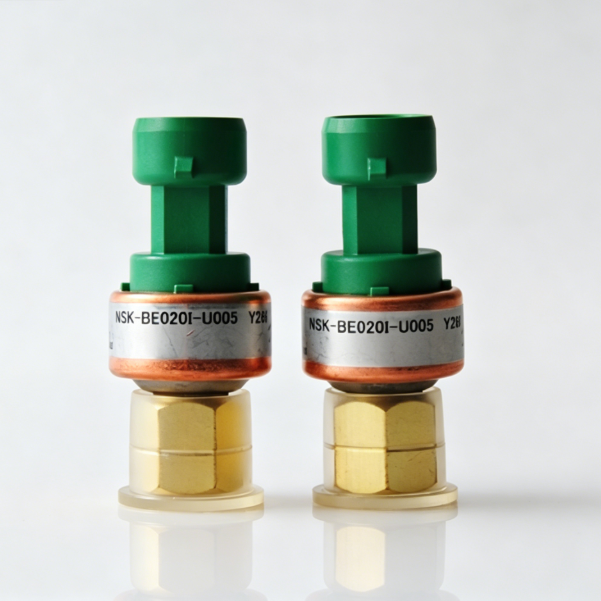
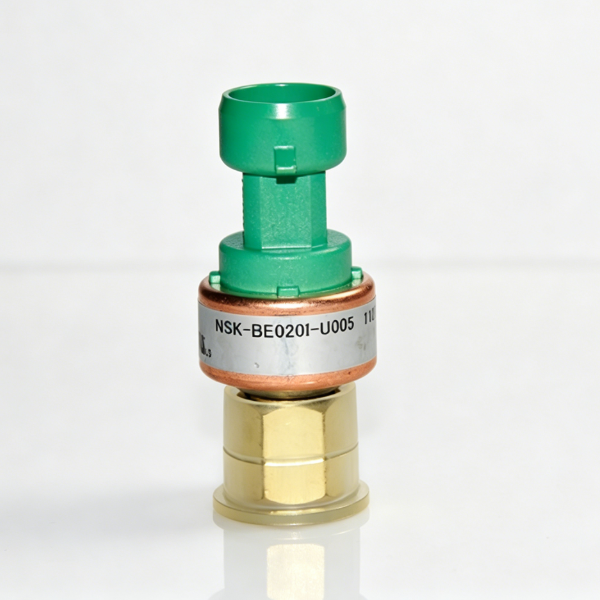
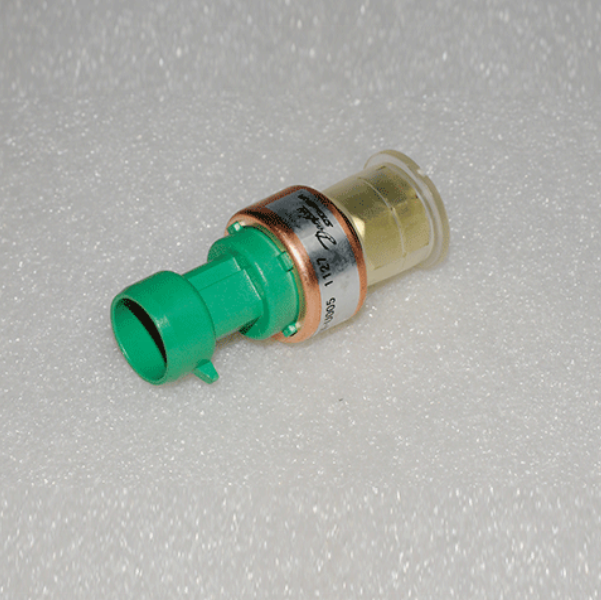
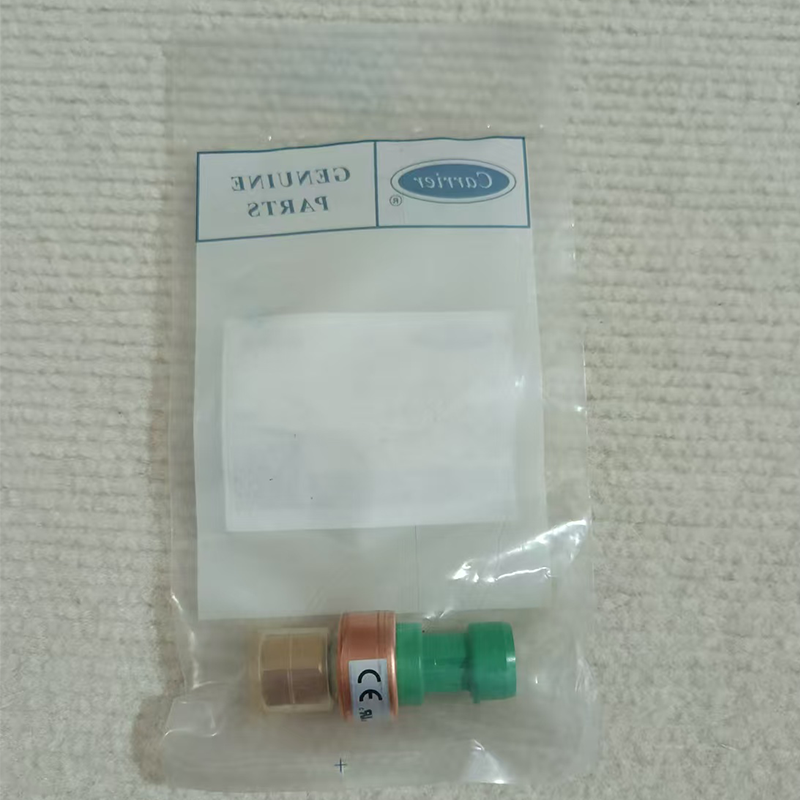
Products Description
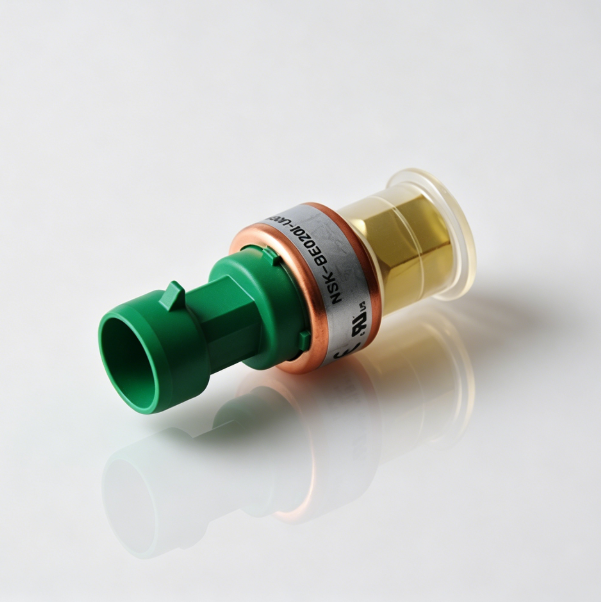
| Product Name | Carrier Low-Pressure Sensor 00PPG000002000 |
| Model | 00PPG000002000 |
| Applicable Industries | Construction and Commercial |
| Application | Refrigeration compressor |
| Packaging | Cardboard Box |
| MOQ | 1 Piece |
Carrier 00PPG000002000 Low-Pressure Sensor: Functions and Applications
1.Real-time Low-Pressure Monitoring:Installed on the suction side of the compressor (within the low-pressure circuit), the sensor captures real-time fluctuations in refrigerant gas pressure. It accurately transmits this pressure data to the unit’s main control board, providing critical data support for control algorithms to ensure a precise match between the unit’s load and its cooling capacity.
2.System Safety Protection:Upon detecting abnormal low-side pressure—such as excessively low pressure (potentially indicating a refrigerant leak or clogged filter) or excessively high pressure (potentially indicating a blockage in the circuit)—the sensor immediately triggers the unit’s safety protection logic. This initiates actions such as system shutdown, load reduction, or alarm activation, thereby preventing compressor damage caused by issues like low-pressure oil starvation or liquid slugging, and safeguarding the unit’s core components.
3.Temperature Compensation and Precise Calibration:Featuring a built-in temperature compensation module, the sensor automatically calibrates pressure readings based on changes in ambient and refrigerant temperatures. This prevents monitoring errors caused by temperature drift, ensures the accuracy of pressure data across various operating conditions, and enhances the overall control precision of the unit.
4.Energy-Efficient Operation Optimization:By providing real-time pressure data feedback, the sensor assists the main control system in regulating compressor loading/unloading and the opening degree of the electronic expansion valve. This optimizes refrigerant circulation efficiency, reduces the unit’s energy consumption, and improves operational cost-effectiveness.
5.Fault Pre-warning and Diagnosis:The sensor continuously monitors pressure fluctuations; when abnormal pressure variations occur, it works in conjunction with the unit’s main control system to log fault information. This facilitates rapid troubleshooting by maintenance personnel—enabling them to quickly pinpoint issues such as refrigerant leaks or clogged pipelines—thereby minimizing system downtime and maintenance duration.
Tags: chiller maintenance part chiller pressure sensor chiller spare part compressor pressure sensor compressor protection sensor High Pressure Sensor hvac pressure sensor hvac replacement part hvac system component Industrial Chiller Part industrial refrigeration part low pressure sensor pressure monitoring sensor pressure sensor pressure transducer Pressure Transmitter refrigeration equipment sensor refrigeration pressure sensor refrigeration pressure transmitter refrigeration system sensor
Technical parameter

Company Profile
Technical parameter
| Q1:For refrigeration industry, which brands are your products covering? | A1:We produce filter element replacements for brands like,Bitzer, Carrier, York, McQuay, Trane, etc… |
| Q2:Does the price include freight? | A2:The quotation is usually the factory price. We can recommend the most economical logistics plan and calculate the freight according to your destination and quantity. |
| Q3:How to ensure product quality? | A3:We have a strict quality control process, and we will carry out multiple inspections before the products leave the factory to ensure that they meet the standards. |
| Q4:Why choose us? | A4:Product reliability: We are a professional manufacturer . can offer high-quality products at the most competitive prices. Technical support: We provide technical assistance. Industry experience: We have over 10 years of experience in the refrigeration equipment service field. After-sales service: We offer professional after-sales service. Team collaboration: We have a professional team that can provide you with prompt services and delivery schedules. |
Product Installation Guidelines:
1. Installation Location: Install on the compressor’s suction-side piping (low-pressure circuit). Prioritize straight sections of the pipe to ensure the sensor probe makes full contact with the refrigerant; avoid installation at pipe elbows or dead ends to prevent distorted pressure readings.
2. Interface Installation: Wrap the threaded interface with specialized sealing tape and tighten evenly to ensure a tight seal free of refrigerant leaks; avoid overtightening, which may result in thread damage.
3. Cable Routing: Secure the cable along the unit’s designated wiring channels. Avoid contact with high-temperature piping or moving parts to prevent cable abrasion and premature aging. Ensure the connector is fully inserted and locked into place, and apply proper waterproofing to prevent loosening that could lead to signal interruption.
4. Wiring Requirements: Strictly adhere to the unit’s wiring schematics. Clearly distinguish between power supply lines and signal lines to prevent reverse polarity connections, which could result in sensor burnout or signal anomalies.