

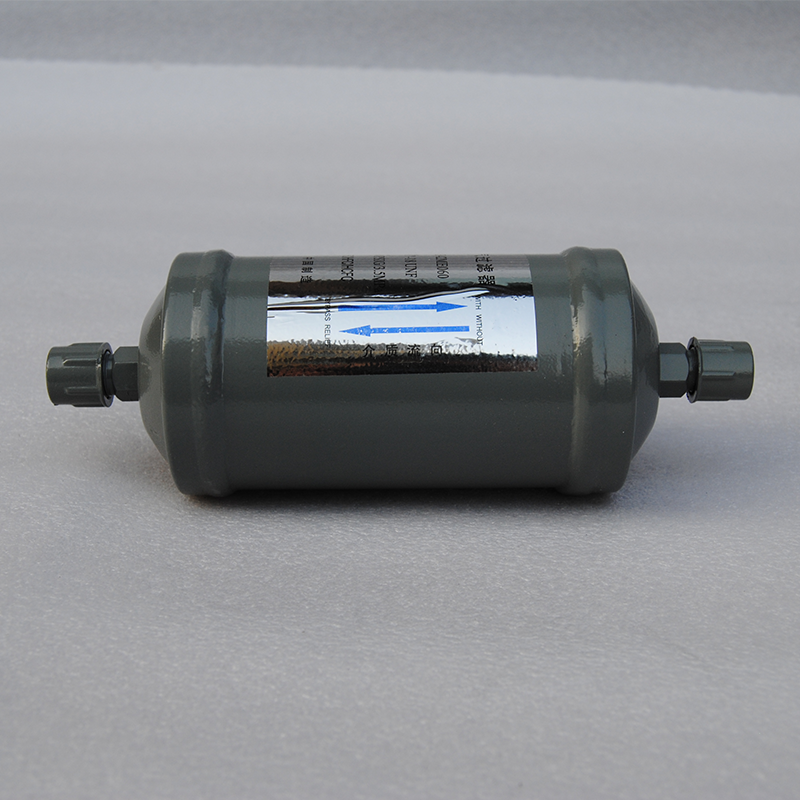
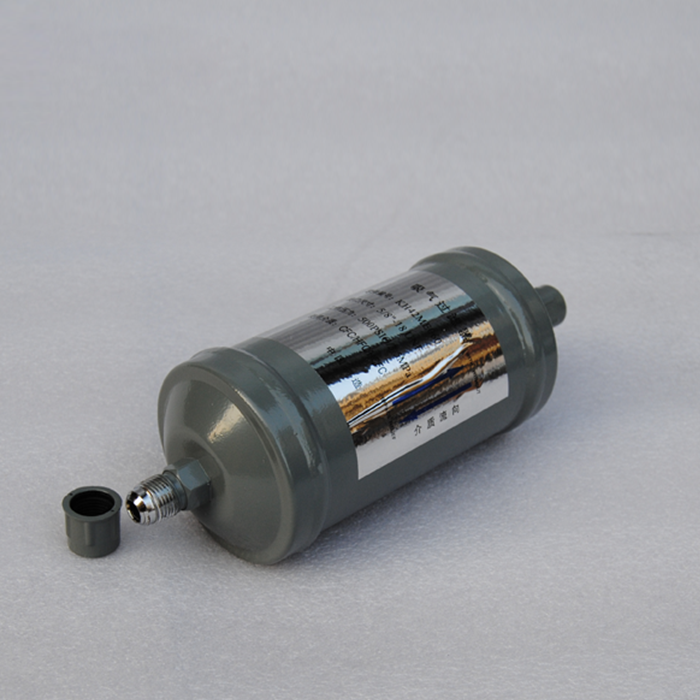
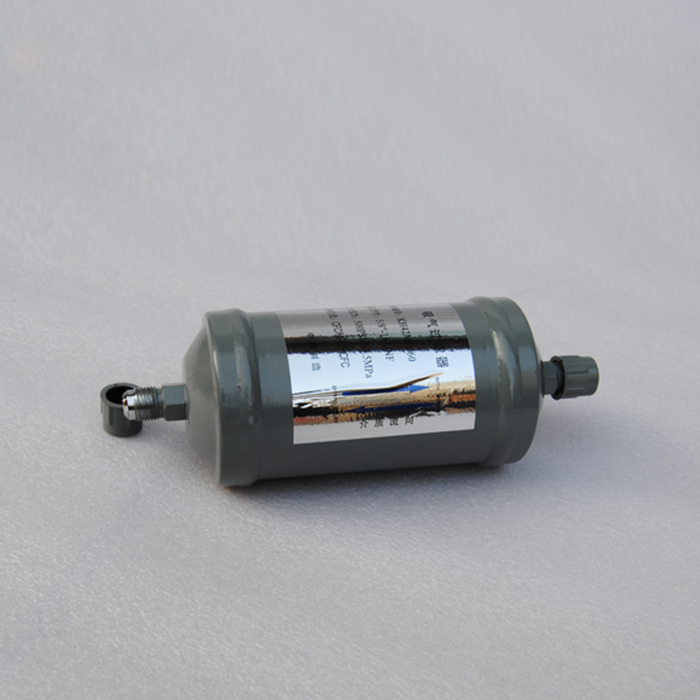
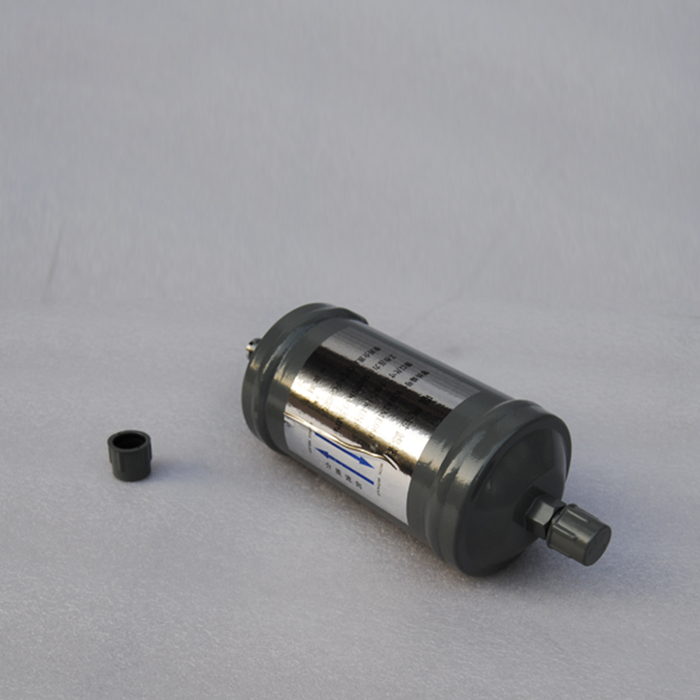
Products Description
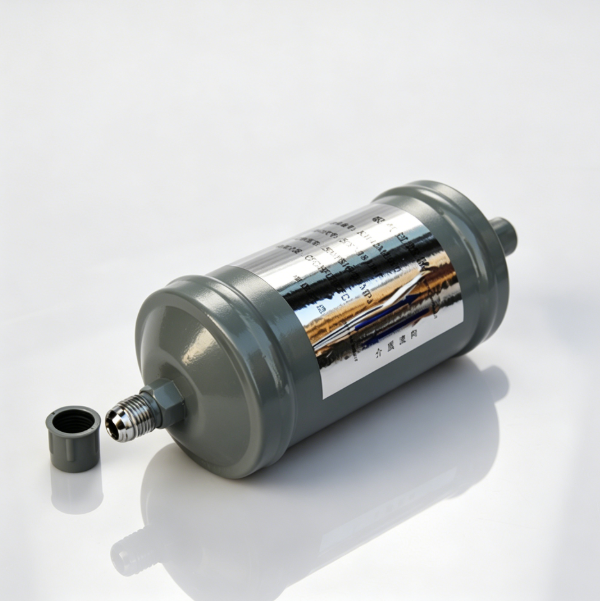
| Product Name | Carrier Oil Filter KH42ME060 |
| Model | KH42ME060 |
| Applicable Industries | Industry and Manufacturing; Transportation |
| Application | Central air conditioning components |
| MOQ | 1 Piece |
Core Product Functions and Advantages
1. Dual-function capability (filtration + recovery) provides a one-stop solution for maintaining system cleanliness and ensuring adequate fluid levels.
2. Industrial-grade durability ensures an extended service life, thereby reducing the frequency of replacements.
3. Stable pressure drop guarantees efficient and synergistic operation between the fluid recovery and lubrication systems.
4. Easy installation and adaptability across diverse scenarios help minimize operation and maintenance costs.
Tags: Carrier Chiller Parts Carrier KH42ME060 Centrifugal Chiller Parts Chiller Filter Chiller Maintenance Chiller Service Compressor Filter Data Center Cooling Filter Filter Element Filtration Component HVAC Filter HVAC Spare Parts Industrial Filter Oil Cleaner Oil Filter Refrigerant Filter Refrigeration Filter Replacement Filter Screw Chiller Parts
Technical parameter

Company Profile
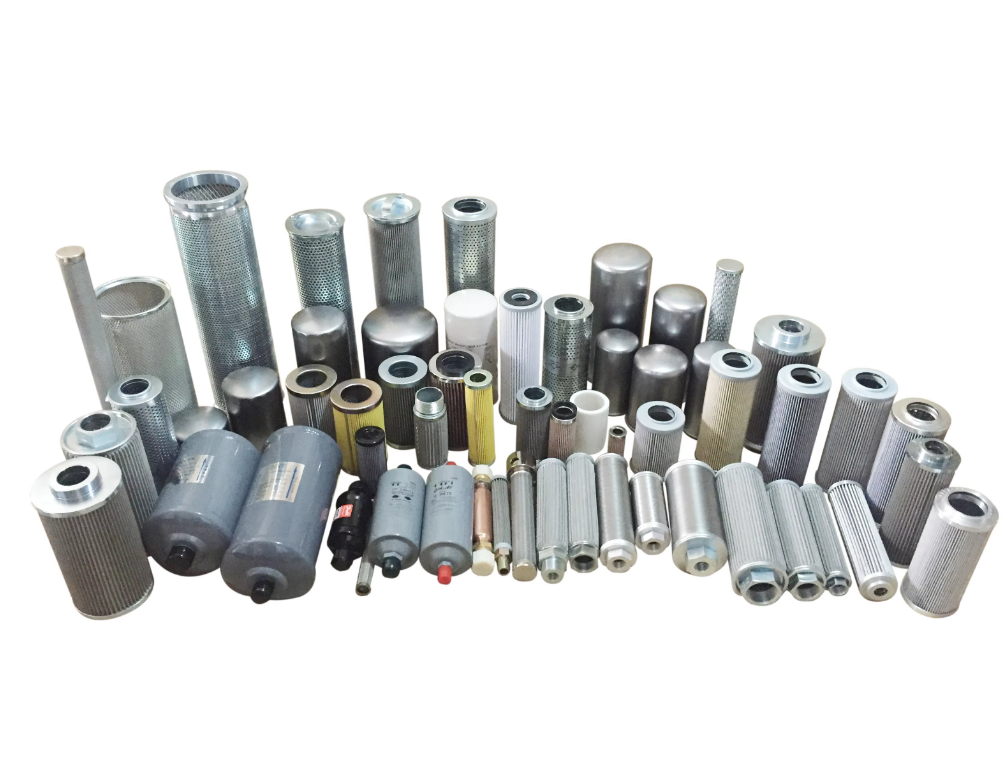
Other Product Images
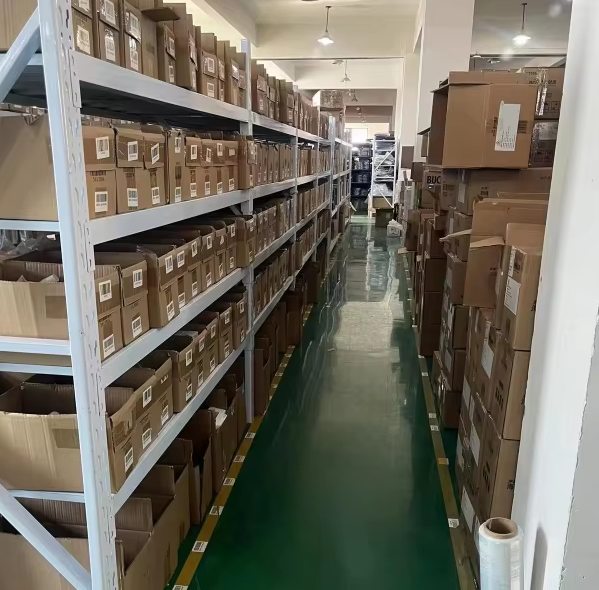
Factory Photos
| Q1:For refrigeration industry, which brands are your products covering? | A1:We produce filter element replacements for brands like,Bitzer, Carrier, York, McQuay, Trane, etc… |
| Q2:Does the price include freight? | A2:The quotation is usually the factory price. We can recommend the most economical logistics plan and calculate the freight according to your destination and quantity. |
| Q3:How to ensure product quality? | A3:We have a strict quality control process, and we will carry out multiple inspections before the products leave the factory to ensure that they meet the standards. |
| Q4:Why choose us? | A4:Product reliability: We are a professional manufacturer . can offer high-quality products at the most competitive prices. Technical support: We provide technical assistance. Industry experience: We have over 10 years of experience in the refrigeration equipment service field. After-sales service: We offer professional after-sales service. Team collaboration: We have a professional team that can provide you with prompt services and delivery schedules. |
Important Notice: Replacement procedures must be performed by qualified professionals holding the appropriate certifications for refrigeration and air conditioning work. Improper handling may result in personal injury or equipment damage. Strictly adhere to the following procedures, paying particular attention to the pressure relief of the oil recovery system:
1. Completely shut down the unit; disconnect the main power supply, the oil pump power supply, and the oil recovery system power supply. Affix warning signs to ensure operational safety.
2. Close the isolation valves located upstream and downstream of the oil filter. Simultaneously close the valves within the oil recovery loop to isolate the main oil circuit from the recovery loop, thereby preventing oil and refrigerant leakage.
3. Slowly loosen the oil filter connection fitting to release any residual pressure and refrigerant remaining within the piping. Place a catch container beneath the fitting to collect residual oil, preventing contamination and waste.
4. Remove the old oil filter. Clean the mating surfaces of the connection fitting to ensure they are free of residual seals, debris, and oil residue, as these could compromise sealing performance.
5. Install a new, genuine OEM O-ring seal. Install the new oil filter, ensuring its orientation aligns with the directional arrow marked on the housing (which indicates the direction of oil flow). Uniformly tighten the connection fitting, taking care not to overtighten and damage the interface threads.
6. Slowly open the isolation valves and the oil recovery loop valves to purge air and residual refrigerant from the piping. Carefully inspect all connection points to verify there are no oil leaks or refrigerant leaks.
7. Restore power to the unit and initiate operation. Monitor the oil pressure, oil temperature, differential oil pressure, and oil recovery efficiency. Once all operating parameters are confirmed to be within normal limits, the replacement procedure is complete.