

Products Description
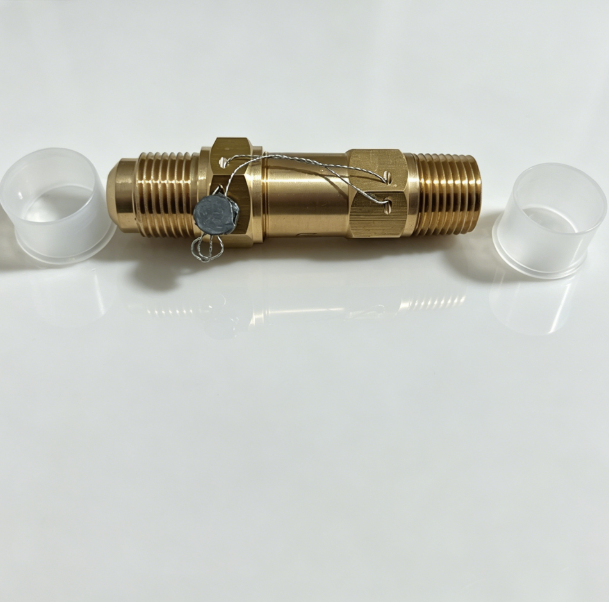
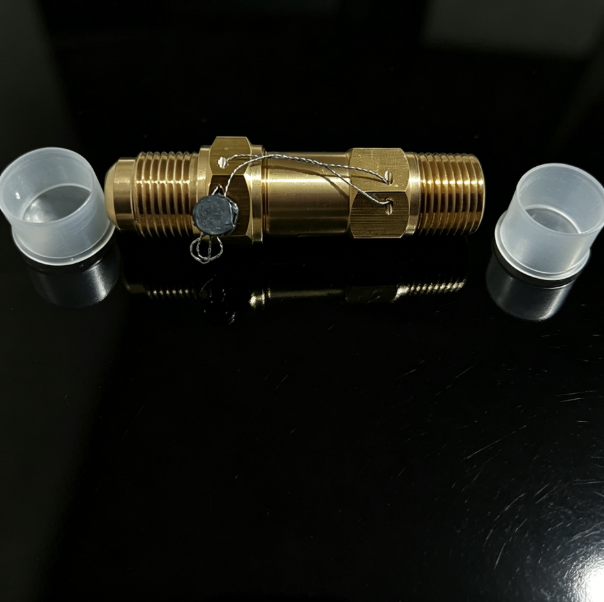
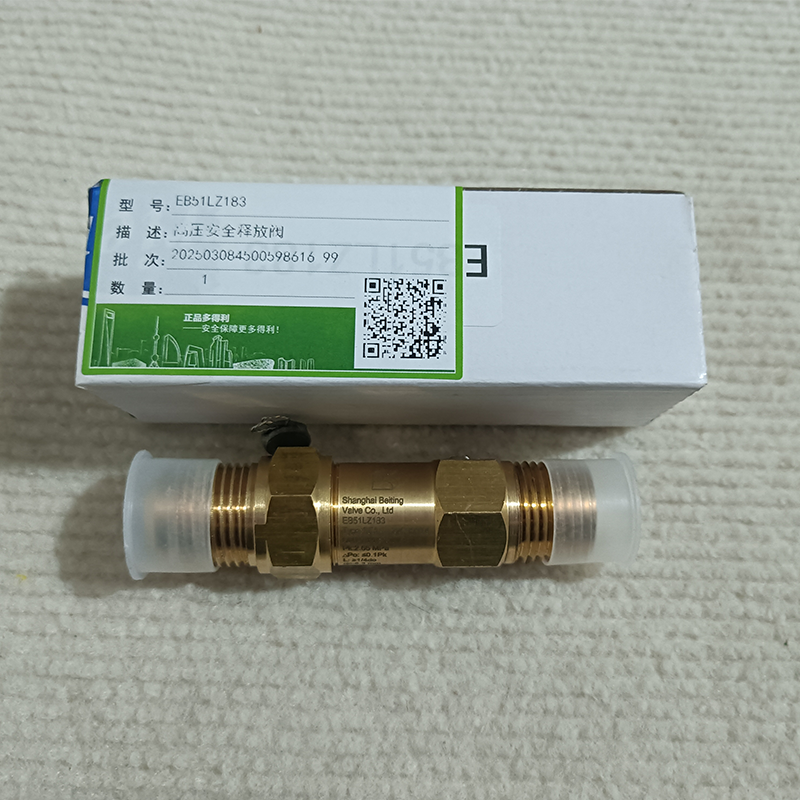
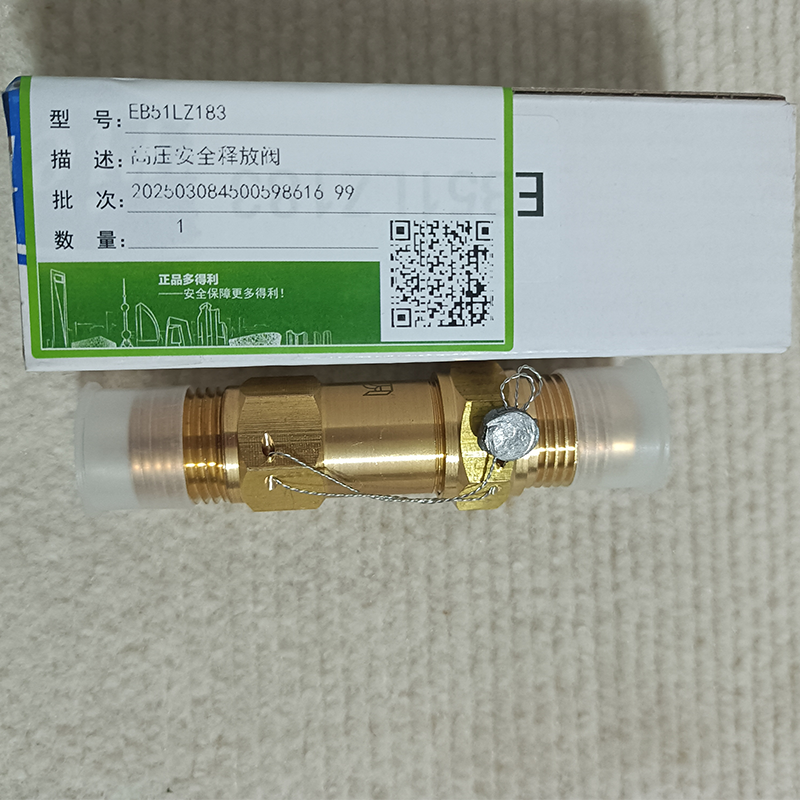
| Product Name | Carrier EB51LZ183 Pressure Relief Valve |
| Model | EB51LZ183 |
| Applicable Industries | Construction and Commercial |
| Application | Refrigeration compressor |
| Packaging | Cardboard Box |
| MOQ | 1 Piece |
Carrier EB51LZ183 Pressure Relief Valve: Key Features
1. Automatic Overpressure Relief
When the pressure on the high-pressure side of the refrigeration system (compressor discharge, condenser, or receiver) exceeds 2.38 MPa, the valve instantly opens fully, rapidly discharging refrigerant into the atmosphere or a recovery system to prevent equipment explosion or severe damage.
2. Automatic Resealing
When the pressure drops below 2.0 MPa, the valve automatically closes and seals, preventing continued refrigerant leakage; following a major pressure relief event, it is recommended that a professional verify the integrity of the seal.
3. Full-Lift, High-Capacity Discharge
Upon activation, the valve disc opens fully, releasing a large volume of high-pressure refrigerant in a very short time; this ensures a rapid reduction in system pressure, offering superior protective performance compared to partial-lift valves.
4. Non-Adjustable Safety Design
The valve’s pressure setting is precisely calibrated and lead-sealed at the factory; users are strictly prohibited from making unauthorized adjustments. It is required that a professional agency verify the valve’s opening pressure and seal integrity on an annual basis.
Tags: air conditioning safety valve Careir chiller parts Carrier EB51LZ183 chiller maintenance parts chiller pressure relief valve chiller replacement valve commercial hvac valve cooling system safety valve HVAC mechanical component HVAC relief valve HVAC Spare Parts hydraulic relief valve industrial chiller valve industrial refrigeration valve overpressure protection valve pressure relief valve refrigerant relief valve refrigeration equipment valve refrigeration safety valve refrigeration system accessory
Technical parameter

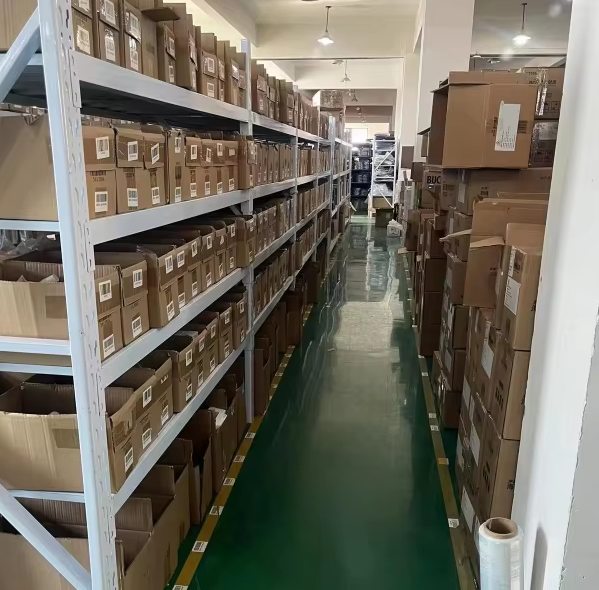
Company Profile
Technical parameter
| Q1:For refrigeration industry, which brands are your products covering? | A1:We produce filter element replacements for brands like,Bitzer, Carrier, York, McQuay, Trane, etc… |
| Q2:Does the price include freight? | A2:The quotation is usually the factory price. We can recommend the most economical logistics plan and calculate the freight according to your destination and quantity. |
| Q3:How to ensure product quality? | A3:We have a strict quality control process, and we will carry out multiple inspections before the products leave the factory to ensure that they meet the standards. |
| Q4:Why choose us? | A4:Product reliability: We are a professional manufacturer . can offer high-quality products at the most competitive prices. Technical support: We provide technical assistance. Industry experience: We have over 10 years of experience in the refrigeration equipment service field. After-sales service: We offer professional after-sales service. Team collaboration: We have a professional team that can provide you with prompt services and delivery schedules. |
Common Product Malfunctions
1. Leakage (Refrigerant Seepage): Manifests as frost on the valve body, visible oil traces, or a continuous drop in pressure; typically caused by wear on the sealing surface, aging of the PTFE material, or slight deformation of the valve body.
2. Failure to Open (Failure to Relieve Overpressure): The valve fails to actuate even when system pressure exceeds 2.5 MPa; typically caused by a stuck valve disc, blockage by impurities, or drift in the set pressure.
3. Premature Opening (Low-Pressure Relief): The valve suddenly pops open while pressure remains within the normal range (1.5–2.0 MPa); typically caused by internal spring fatigue, a set pressure that is too low, or system water hammer/pressure surges.
4. Failure to Reset: The valve continues to leak and fails to seal properly after relieving pressure; typically caused by deformation of the valve disc, damage to the sealing surface, or impurities lodged within the mechanism.