

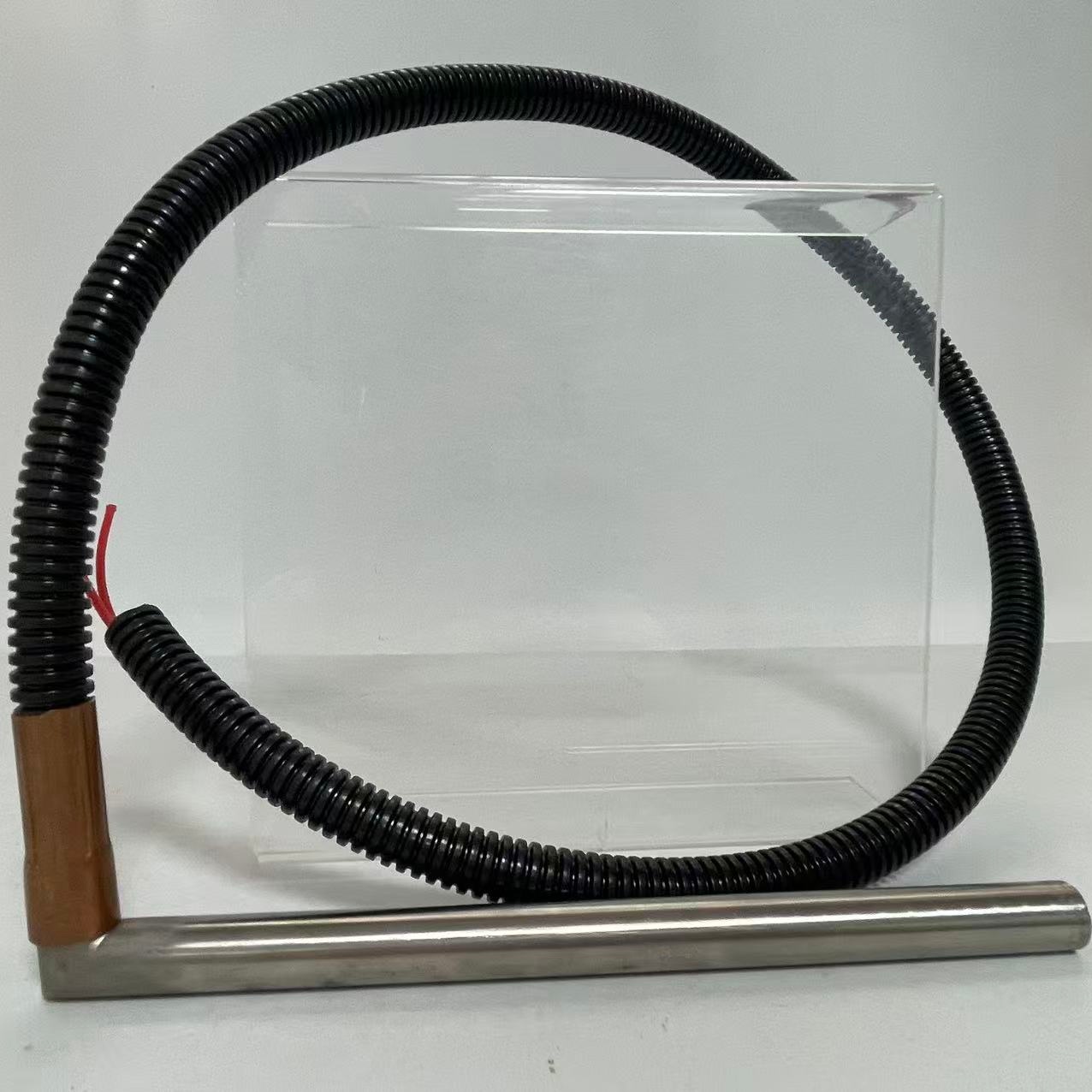
Products Description
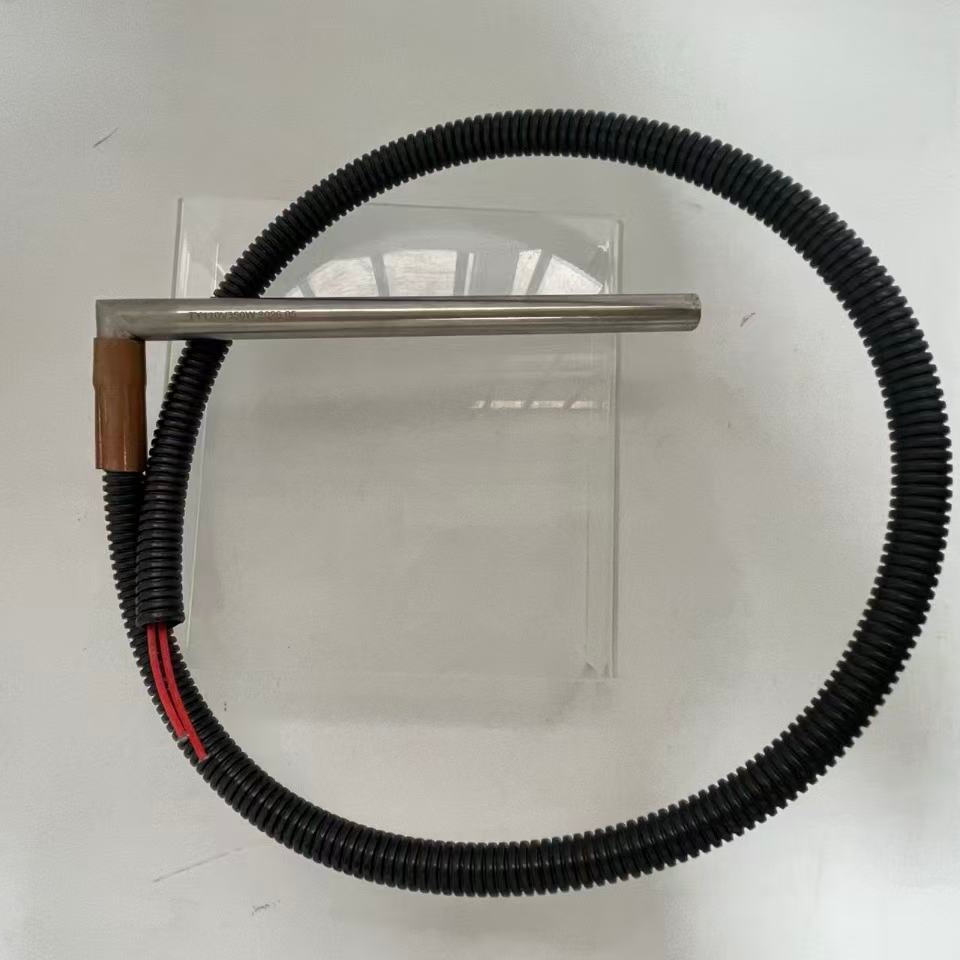
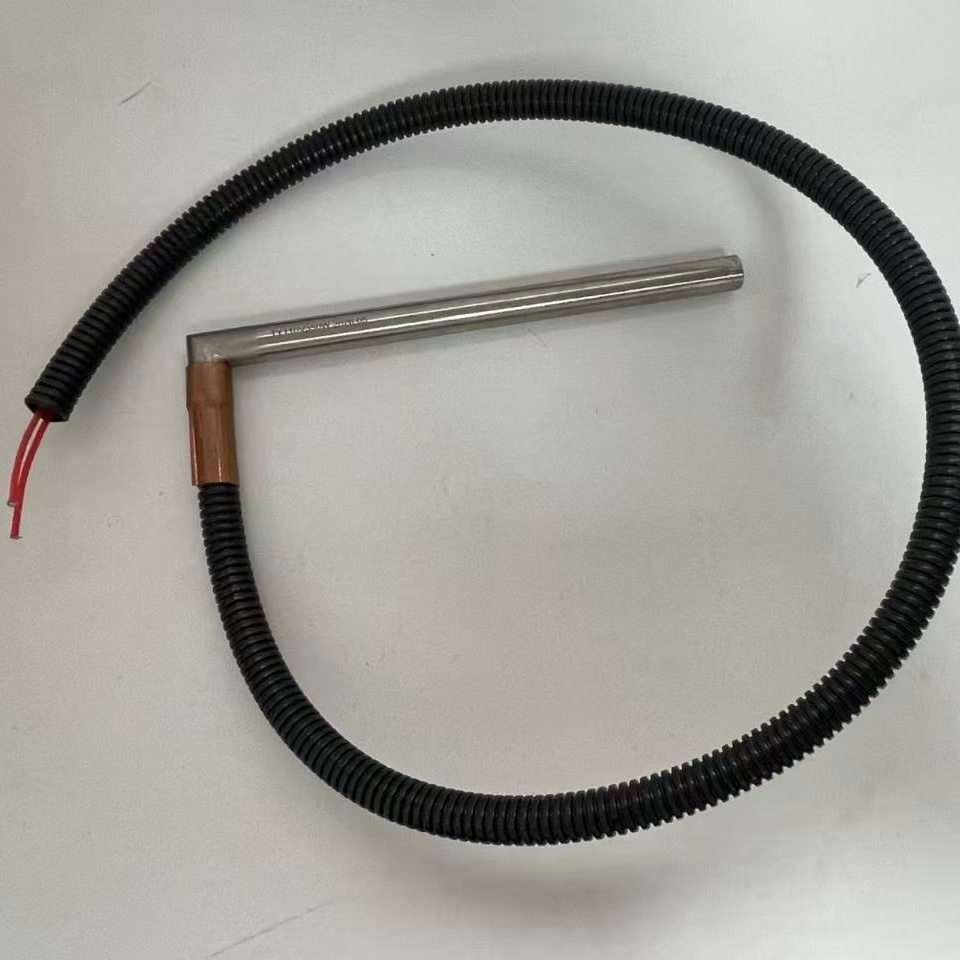
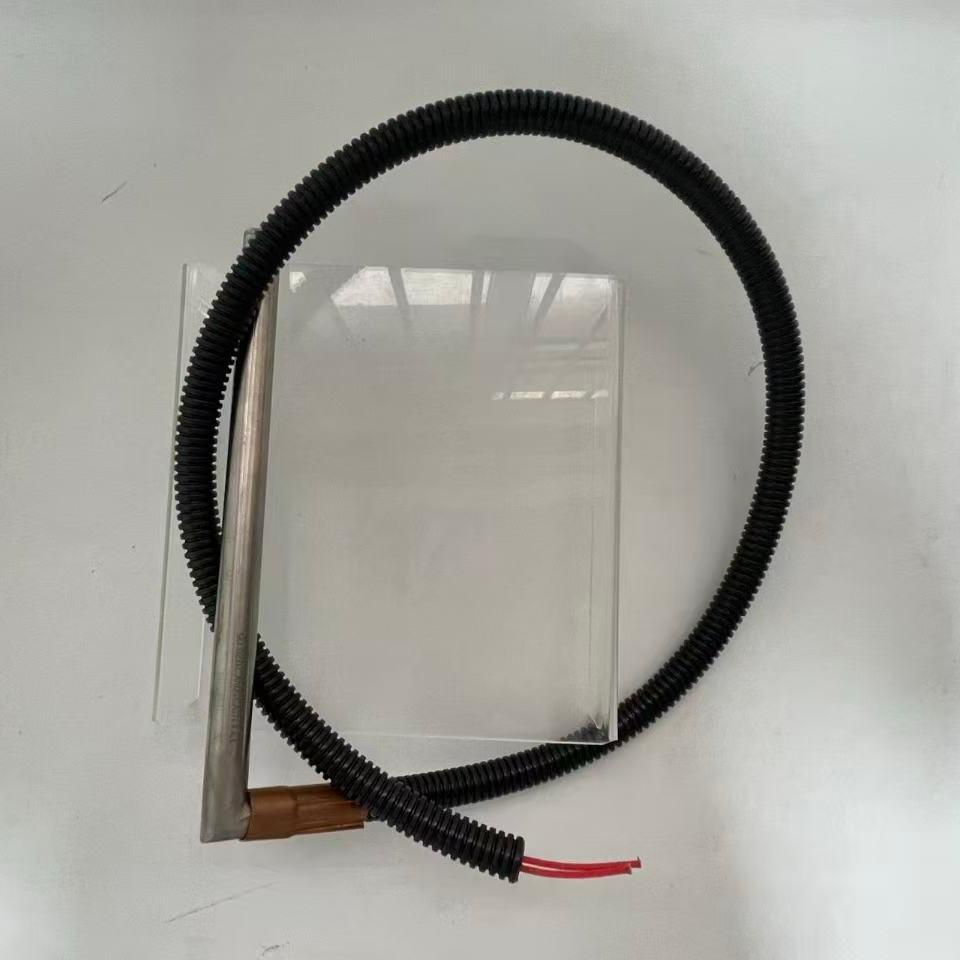
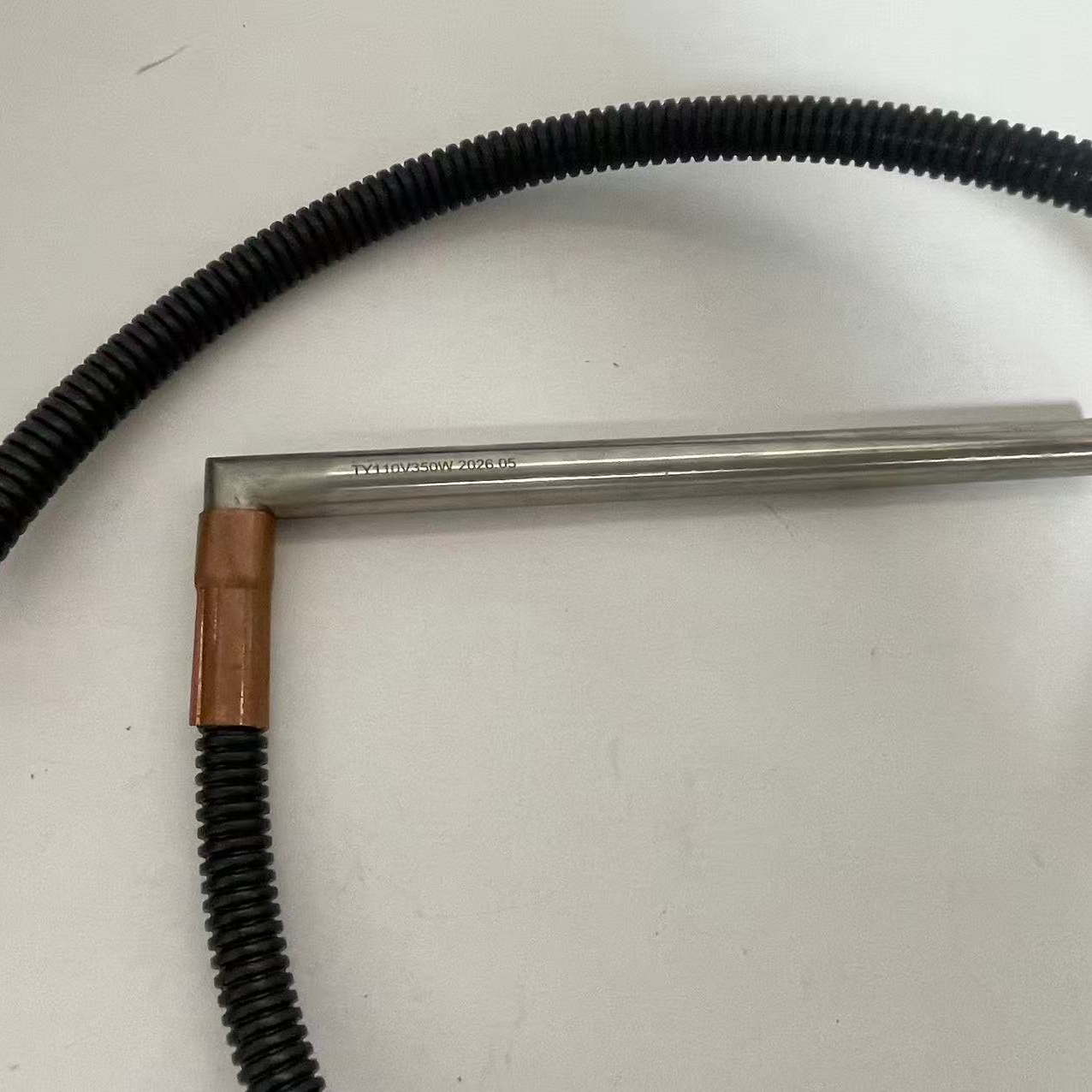
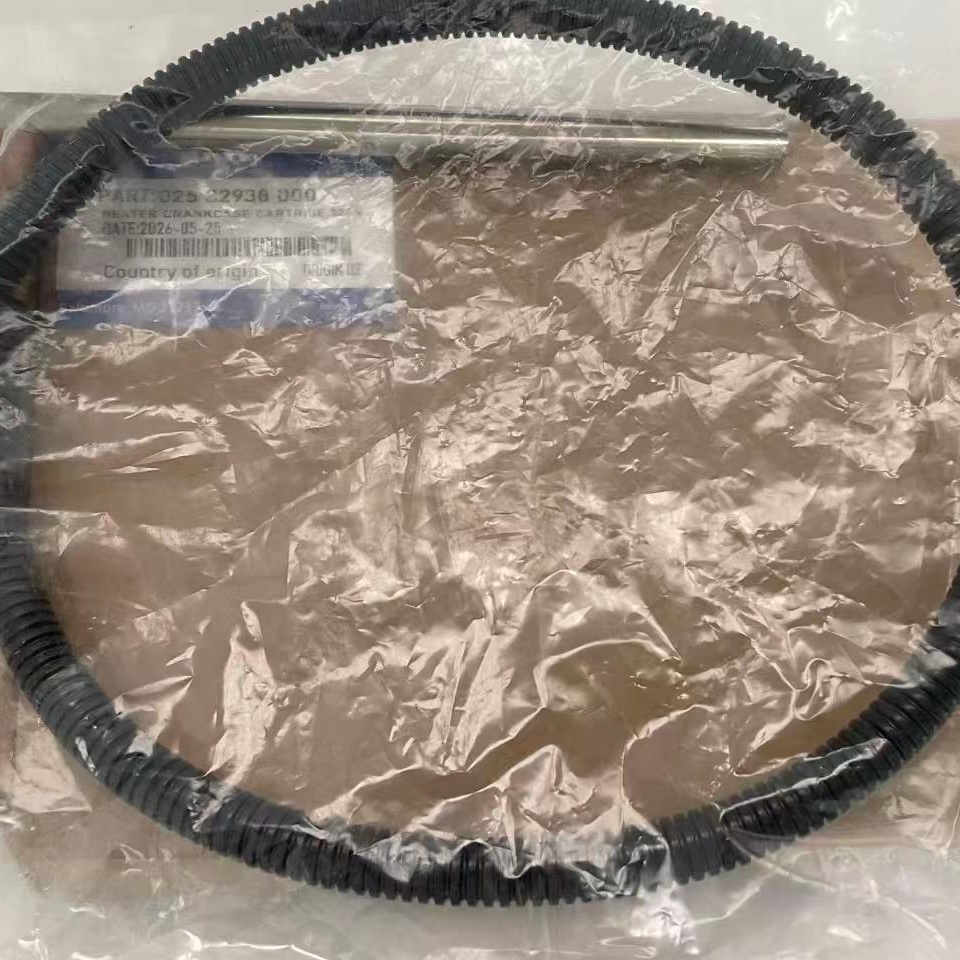
| Product Name | Yk 025-32938-000 Compressor Crankcase Heater |
| Model | 025-32938-000 |
| Applicable Industries | Construction and Commercial |
| Application | Refrigeration compressor |
| Packaging | Cardboard Box |
| MOQ | 1 Piece |
Core Product Functions:
Pre-heating lubricating oil during shutdown to prevent refrigerant-oil dissolution (Core Function)
Continuous heating during the unit’s standby phase reduces refrigerant solubility in the refrigeration oil; this prevents large amounts of liquid refrigerant from entering the compressor along with the oil upon startup, thereby fundamentally mitigating the risk of liquid hammer damage to rotor bearings.
Reducing oil viscosity in low-temperature environments to ensure lubrication at startup
Pre-heating the oil in cold winter conditions lowers its viscosity, allowing the oil pump to establish standard operating pressure immediately upon startup and preventing compressor damage (such as scoring or seizing) caused by dry running.
304 seamless stainless steel tubing: resistant to corrosion and leakage during long-term immersion
The seamless, integrated stainless steel housing withstands long-term immersion in POE refrigeration oil, eliminating the risk of wall perforation due to corrosion or oil leakage.
Built-in thermal fuse protection for equipment room safety and explosion prevention
In the event of low oil levels causing the heating element to become exposed and run dry, the built-in fuse blows to permanently cut off power, eliminating the risk of the high-temperature heating element igniting the refrigeration oil.
Tags: 025-32938-000 central chiller heating component chiller crankcase heating element commercial air conditioning accessory compressor maintenance spare part cooling system lubrication protection component HVAC spare heater industrial screw compressor heater refrigerant oil heating device refrigeration compressor heater York chiller replacement parts York crankcase heater
Technical parameter

Company Profile
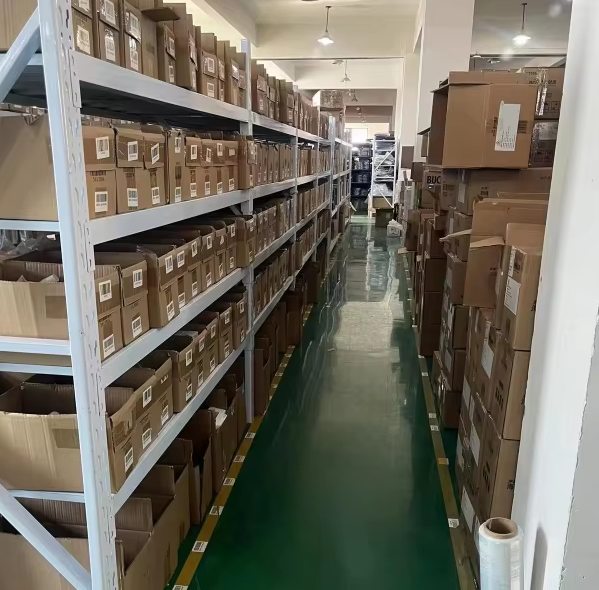
Factory Profile
| Q1:For refrigeration industry, which brands are your products covering? | A1:We produce filter element replacements for brands like,Bitzer, Carrier, Yk, McQuay, Trane, etc… |
| Q2:Does the price include freight? | A2:The quotation is usually the factory price. We can recommend the most economical logistics plan and calculate the freight according to your destination and quantity. |
| Q3:How to ensure product quality? | A3:We have a strict quality control process, and we will carry out multiple inspections before the products leave the factory to ensure that they meet the standards. |
| Q4:Why choose us? | A4:Product reliability: We are a professional manufacturer . can offer high-quality products at the most competitive prices. Technical support: We provide technical assistance. Industry experience: We have over 10 years of experience in the refrigeration equipment service field. After-sales service: We offer professional after-sales service. Team collaboration: We have a professional team that can provide you with prompt services and delivery schedules. |
Criteria for product replacement:
1. The entire heating element assembly must be replaced during a compressor overhaul or oil system maintenance.
2. Failure to heat up, broken resistance wire, or blown internal thermal fuse.
3. Corrosion perforation of the stainless steel tube wall or persistent oil leakage at the threaded seal.
4. Damaged insulation on the corrugated conduit cable or internal short-circuiting of copper wires.
5. Frequent oil pressure alarms or startup liquid hammer protection trips during winter operation.