

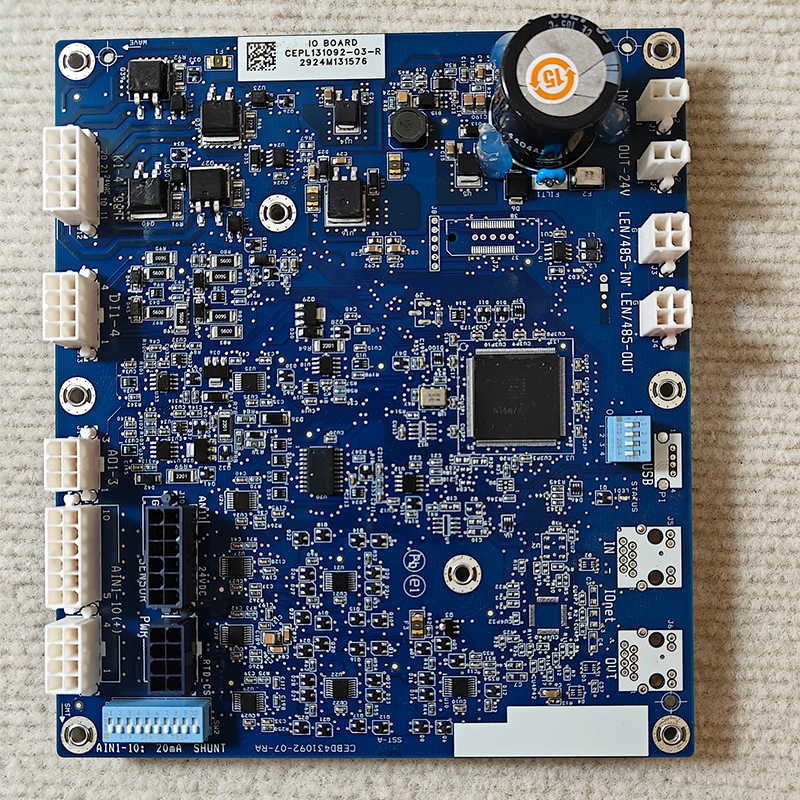
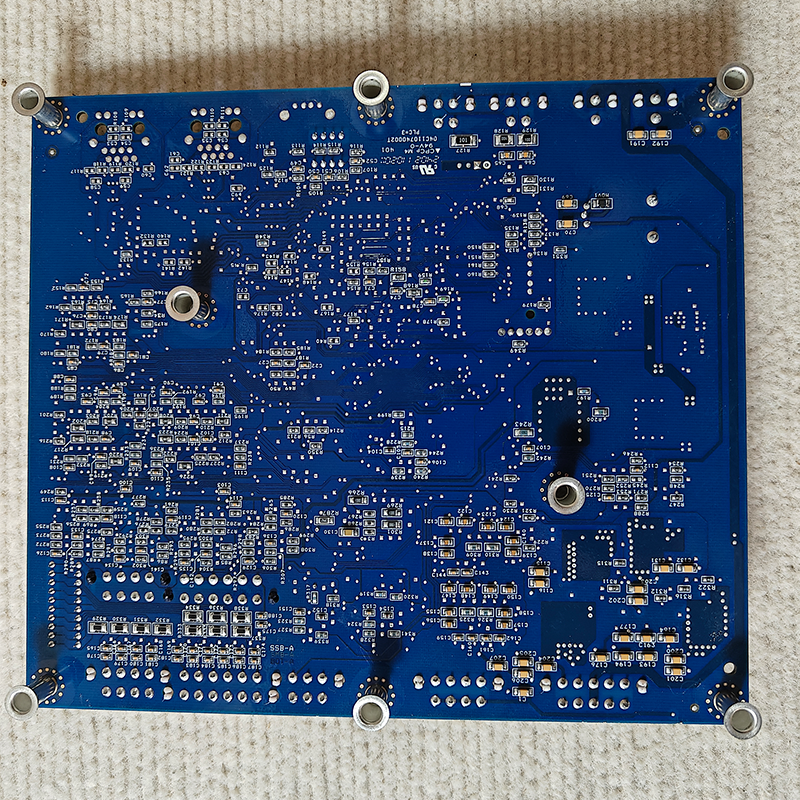
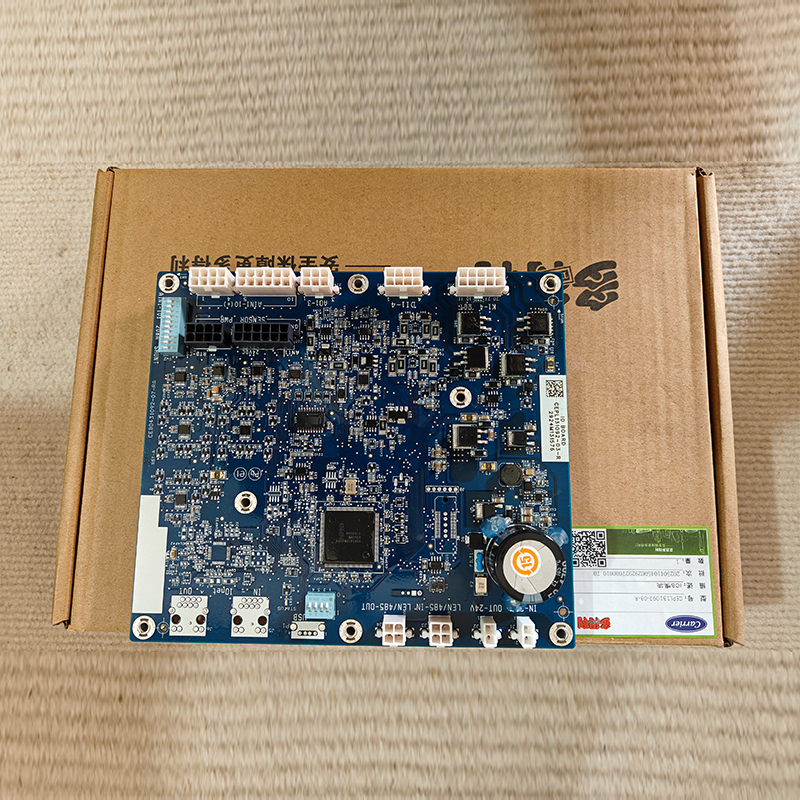
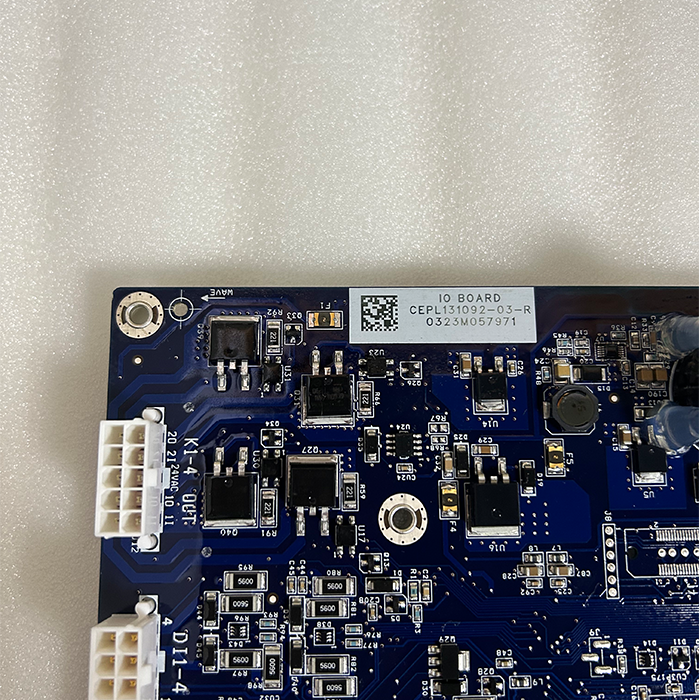
Products Description
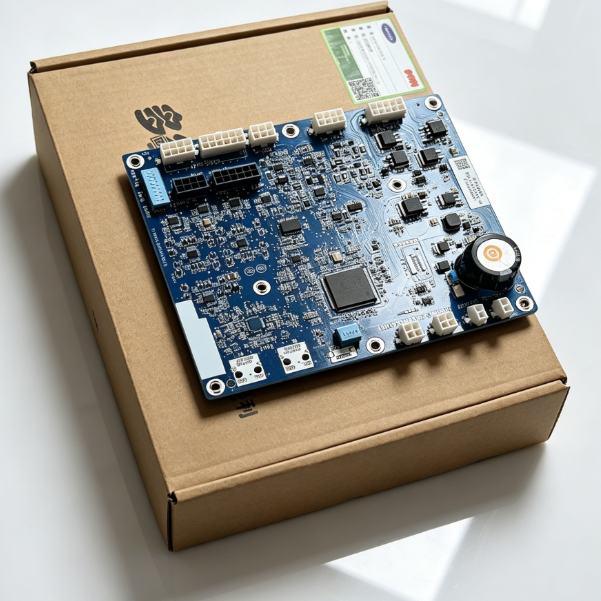
| Product Name | Carrier CEPL131092-03-R Control Module |
| Model | CEPL131092-03-R |
| Applicable Industries | Construction and Commercial |
| Application | Refrigeration compressor |
| Packaging | Cardboard Box |
| MOQ | 1 Piece |
Carrier CEPL131092-03-R Control Module: Core Functions
1. Comprehensive System Signal Acquisition (Core Function)
Real-time acquisition of critical unit parameters—including high and low-side pressures, inlet and outlet water temperatures, discharge temperature, oil temperature, motor winding temperature, vibration levels, current, and voltage—to precisely sense operational status and provide data support for control logic execution.
2. Control Logic Processing and Execution
Incorporates Carrier’s proprietary control algorithms to intelligently adjust compressor guide vane opening, Electronic Expansion Valve (EEV) flow rate, and fan speed based on acquired data, thereby achieving precise water temperature control, load-adaptive regulation, and optimal energy efficiency matching.
3. Drive Output and Actuator Control
Generates control signals to drive actuators and components—such as the compressor, oil pump, heaters, solenoid valves, and contactors—enabling precise control over unit startup/shutdown, loading/unloading operations, and safety protection actions.
4. Communication Interaction and Data Transmission
Establishes bi-directional communication with the unit’s main control board, touchscreen interface, and Building Automation System (BAS); uploads operational parameters, fault codes, and status information in real-time; receives remote control commands; and supports both local and remote monitoring and commissioning.
5. Fault Diagnosis and Safety Protection
Integrates multiple safety mechanisms, including protection against over-voltage, under-voltage, over-current, overheating, high/low pressure anomalies, freezing, and excessive vibration. Features self-diagnostic capabilities, fault memory storage, and LED alarm indicators; in the event of an anomaly, the module immediately initiates a protective shutdown and locks the corresponding fault code to facilitate rapid troubleshooting.
Tags: air conditioning control module Carrier CEPL131092-03-R Carrier Chiller Parts Carrier circuit board carrier HVAC accessories Chiller Control Module chiller electrical board chiller main controller chiller maintenance parts chiller replacement module commercial chiller component Control Module cooling system control board electronic control board hvac control module HVAC controller board HVAC Spare Parts industrial HVAC electronic part refrigeration control module refrigeration equipment board
Technical parameter
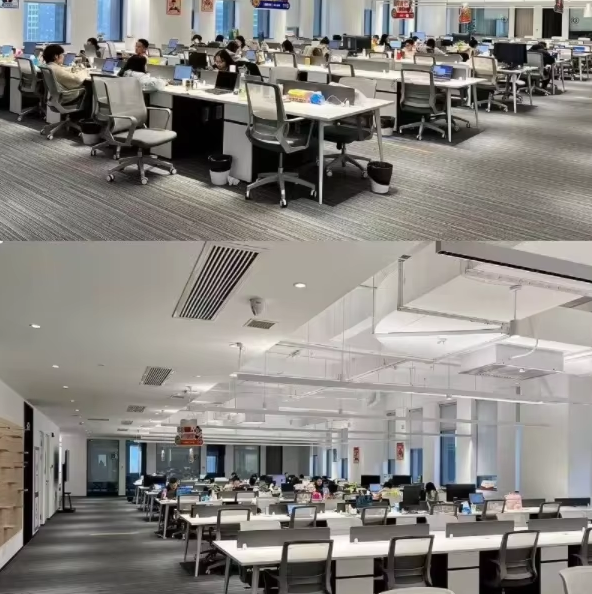
Company Profile
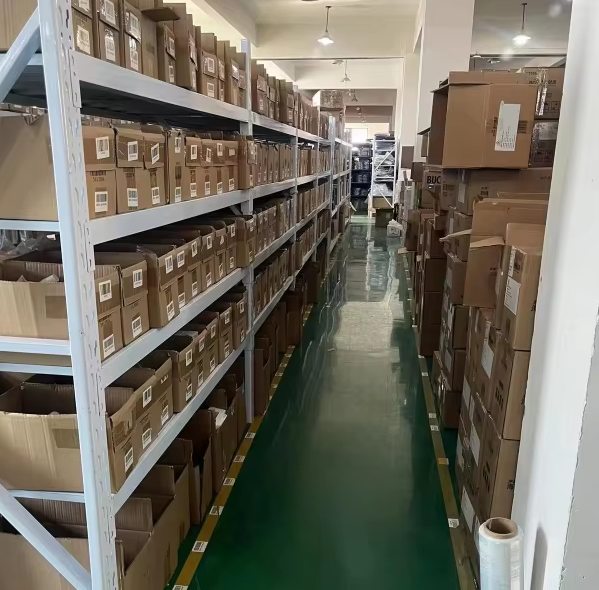
Technical parameter
| Q1:For refrigeration industry, which brands are your products covering? | A1:We produce filter element replacements for brands like,Bitzer, Carrier, York, McQuay, Trane, etc… |
| Q2:Does the price include freight? | A2:The quotation is usually the factory price. We can recommend the most economical logistics plan and calculate the freight according to your destination and quantity. |
| Q3:How to ensure product quality? | A3:We have a strict quality control process, and we will carry out multiple inspections before the products leave the factory to ensure that they meet the standards. |
| Q4:Why choose us? | A4:Product reliability: We are a professional manufacturer . can offer high-quality products at the most competitive prices. Technical support: We provide technical assistance. Industry experience: We have over 10 years of experience in the refrigeration equipment service field. After-sales service: We offer professional after-sales service. Team collaboration: We have a professional team that can provide you with prompt services and delivery schedules. |
Common Product Faults and Replacement Indicators
1. Unit fails to start / Frequent shutdowns: Mainboard power supply failure, damaged logic chip, or false triggering of the protection circuit;
2. Significant water temperature fluctuations / Decreased energy efficiency: Abnormal parameter acquisition, control algorithm failure, or inaccurate output signals;
3. Communication errors (e.g., IOB fault codes): Interrupted communication between the mainboard and the main control board, damaged interface, or chip failure;
4. No fault codes, yet abnormal operation: Mainboard aging, poor solder joints on components, or software program corruption.